
Yes, UV light can kill mold. UVC light (254nm or 265–280nm) damages the DNA of mold spores, preventing growth and reproduction, making it an effective tool for mold control in air and surfaces.
What Type of UV Light Kills Mold?
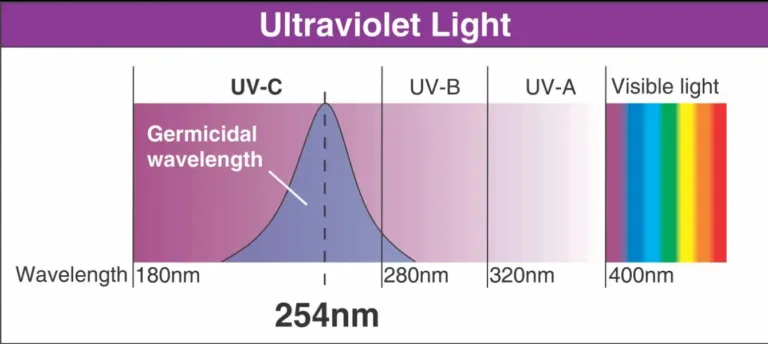
Does uv light kill mold?yes, but Not all UV light works the same way. UV light is divided into three categories:
- UVA (315–400 nm)
- UVB (280–315 nm)
- UVC (100–280 nm)
Among these, UVC light is the most effective for killing mold. It works by damaging the DNA and RNA of mold spores, preventing them from reproducing.
UVA and UVB have limited effectiveness and are generally not used for mold disinfection.

How UV Light Kills Mold
UV light eliminates mold through a process called photodamage. When mold spores are exposed to UVC light:
- DNA is disrupted
- Cellular functions stop
- Reproduction is prevented
Unlike chemical treatments, UV light does not leave residues, making it a clean and environmentally friendly solution.
However, UV light works best as a preventive and control method, not a complete removal solution for heavy mold infestations.
Where Is UV Light Used for Mold Control?
Does uv light kill mold?yes and UV light is commonly used in:
- HVAC systems to prevent mold growth on coils
- Air purification systems to kill airborne mold spores
- Industrial environments for sanitation
- Basements and humid areas prone to mold
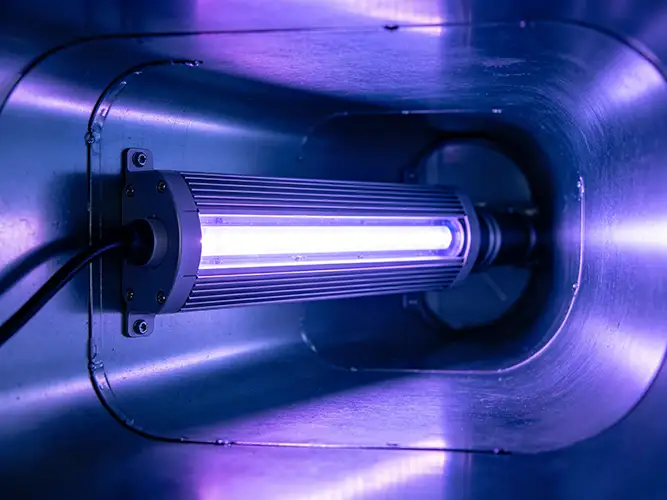
In HVAC systems, UV lamps are installed near coils where moisture accumulates, helping prevent mold formation over time.


Benefits of Using UV Light for Mold
Does uv light kill mold?yes,using UV light for mold control offers several advantages:
- Chemical-free disinfection
- Continuous operation in HVAC systems
- Reduces airborne mold spores
- Improves indoor air quality
- Low maintenance once installed
UV systems are especially effective when combined with filtration and humidity control.
Limitations of UV Light for Mold Removal
Does uv light kill mold?Yes,but while UV light is effective, it has some limitations:
- Requires direct exposure to mold
- Cannot penetrate surfaces
- Less effective for thick mold layers
- Works slower compared to chemicals
For severe mold problems, UV should be used together with physical cleaning and moisture control.
Safety Considerations
UVC light can be harmful to skin and eyes. Always:
- Avoid direct exposure
- Use enclosed systems or shielding
- Follow manufacturer safety guidelines
Modern UV systems are designed to operate safely within HVAC or enclosed devices.

FAQs About UV Light and Mold
Does UV light kill mold spores?
Yes, UVC light can inactivate mold spores by damaging their DNA.
How long does UV light take to kill mold?
It depends on intensity and exposure time, but typically requires continuous exposure.
Can UV light completely remove mold?
No. It prevents growth but should be combined with cleaning for full removal.
Is UV light safe for home use?
Yes, when installed properly in enclosed systems like HVAC units.
Conclusion
So, does UV light kill mold? Yes—especially UVC light, which is highly effective at inactivating mold spores and preventing growth. While it is not a standalone solution for heavy infestations, UV light is an excellent tool for long-term mold control, air purification, and HVAC protection.
As demand for clean indoor environments grows, UV technology—especially UV LED and UVC systems—is becoming a key solution for mold prevention and air quality improvement.