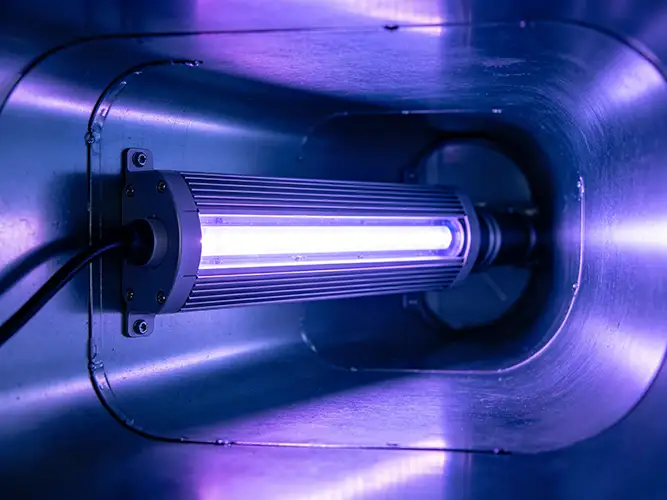
Indoor air quality has become a major concern for homeowners, businesses, hospitals, and commercial facilities. One of the most effective modern solutions is the use of a/c ultraviolet light technology inside HVAC systems. As air conditioning systems continuously circulate air through buildings, ultraviolet technology helps improve cleanliness, reduce airborne contaminants, and support healthier indoor environments.
Today, more property owners are investing in a/c ultraviolet light systems to improve HVAC efficiency and reduce bacteria, mold, and unpleasant odors inside air conditioning units.
In this article, we will explain how a/c ultraviolet light works, its advantages, applications, installation methods, maintenance requirements, and future trends in UV HVAC technology.
What Is A/C Ultraviolet Light?
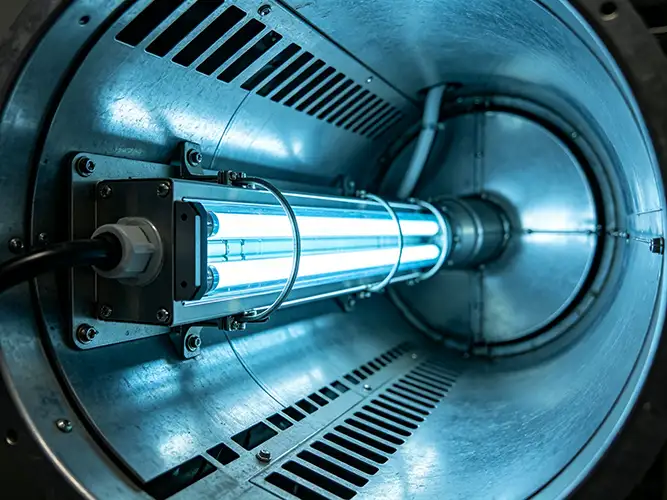
An a/c ultraviolet light is a UV-based sterilization device installed inside heating, ventilation, and air conditioning systems. These UV lights are designed to reduce microbial contamination inside HVAC equipment and airflow systems.
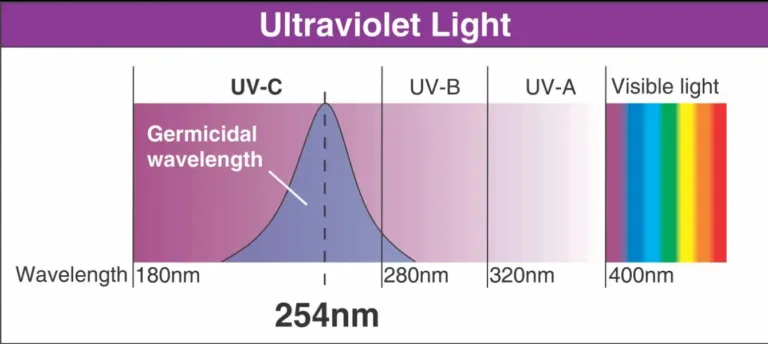
Most HVAC ultraviolet systems use UV-C wavelengths, typically around 254nm or advanced UVC LED wavelengths, because UV-C radiation is highly effective at damaging the DNA of microorganisms.
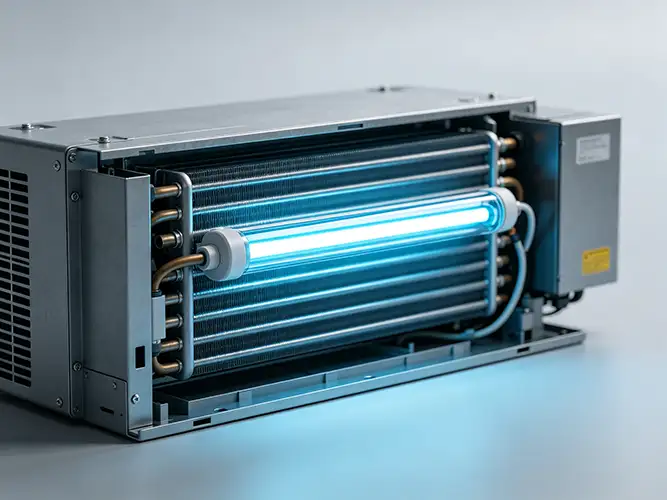
A/C ultraviolet light systems are commonly installed:
- Near evaporator coils
- Inside air ducts
- Around drain pans
- Inside air handling units
The main purpose is to improve air cleanliness and HVAC system performance.
How A/C Ultraviolet Light Works
Understanding how a/c ultraviolet light functions helps explain why it has become increasingly popular.
As air circulates through an HVAC system, moisture can accumulate inside cooling coils and drain areas. These damp environments encourage the growth of:
- Mold
- Bacteria
- Mildew
- Fungi
- Biofilm buildup
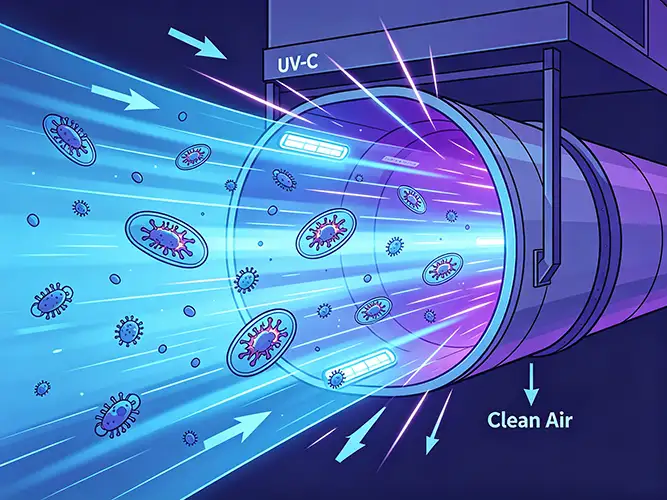
When UV-C light shines on microorganisms, it disrupts their DNA and prevents reproduction.
This process helps:
- Reduce microbial growth
- Improve airflow cleanliness
- Maintain cleaner HVAC components
- Support healthier indoor environments
Unlike chemical cleaning methods, a/c uv light systems operate continuously and automatically.
Benefits of A/C Ultraviolet Light
There are many reasons why building owners choose a/c ultraviolet light technology.
Improved Indoor Air Quality
One of the biggest advantages of a/c uv light systems is cleaner indoor air. UV technology helps reduce airborne microorganisms that circulate through HVAC systems.
This can benefit:
- Homes
- Offices
- Hospitals
- Schools
- Hotels
- Commercial buildings
Cleaner air may improve comfort and reduce unpleasant odors.
Reduced Mold and Bacteria Growth
Moisture inside HVAC systems creates ideal conditions for mold growth. UV-C light helps reduce microbial buildup on coils and drain pans.
This keeps the system cleaner and may help reduce maintenance requirements.
Improved HVAC Efficiency
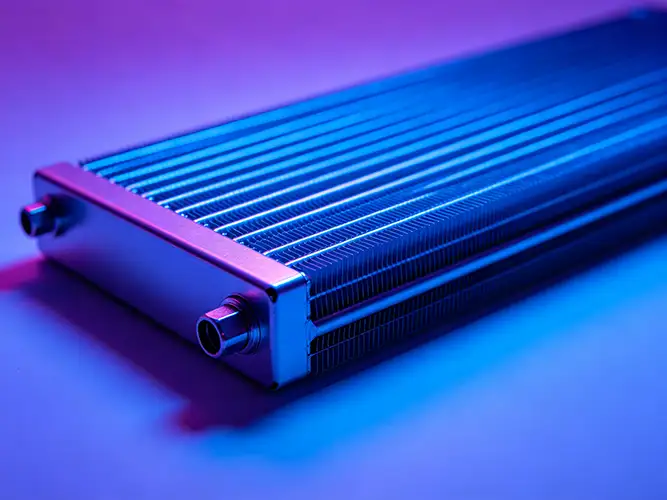
Dirty HVAC coils reduce airflow and force systems to work harder. By reducing biological buildup, a/c ultraviolet light systems help maintain cleaner heat exchange surfaces.
This may improve:
- Cooling performance
- Airflow efficiency
- Energy efficiency
- System lifespan
Many commercial facilities use UV systems to support long-term HVAC performance.
Odor Reduction
Microbial growth inside HVAC systems often causes unpleasant odors.
A/C ultraviolet light technology helps reduce odor-causing microorganisms, improving indoor freshness and comfort.
Types of A/C Ultraviolet Light Systems
There are several types of a/c ultraviolet light solutions available today.
Coil Sterilization UV Systems
These systems focus directly on evaporator coils and drain pans.
Advantages include:
- Reduced coil contamination
- Lower mold buildup
- Improved system efficiency
They operate continuously while the HVAC system is running.
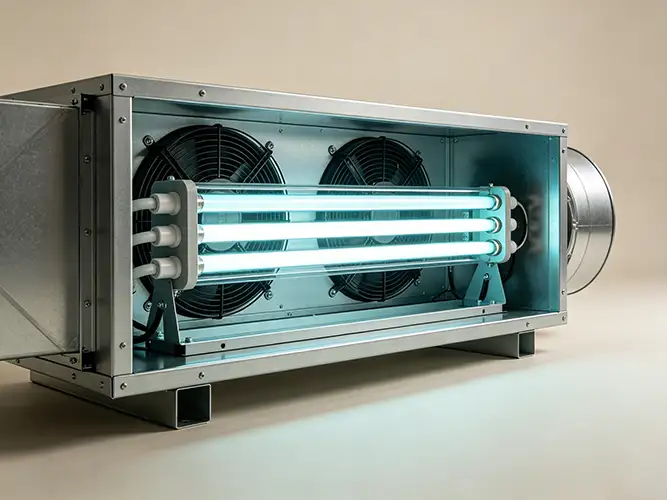
Air Sterilization UV Systems
These UV systems are installed inside air ducts to treat moving airflow.
They help reduce:
- Airborne bacteria
- Viruses
- Mold spores
- Air contaminants
UVC LED HVAC Systems
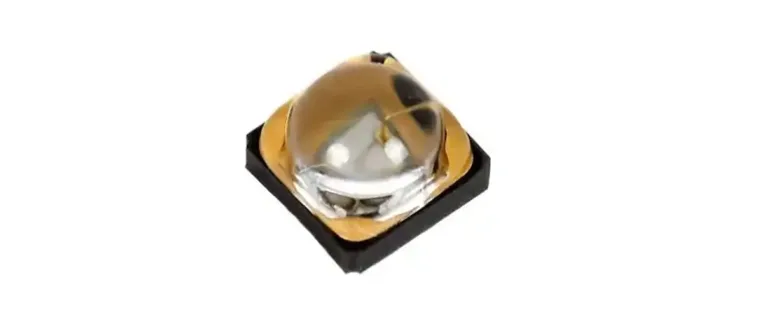
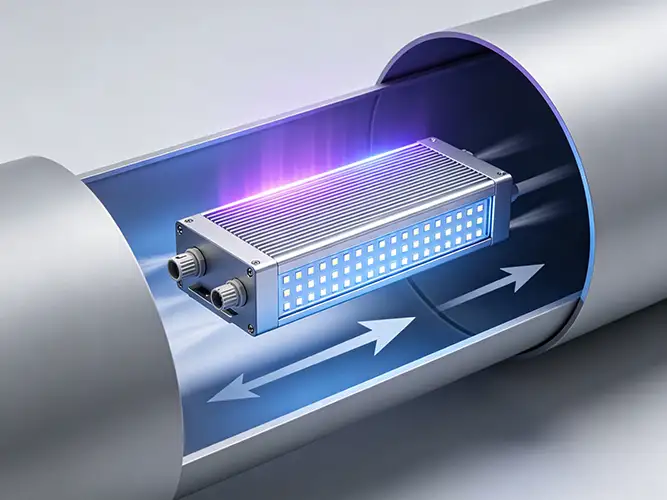
Modern HVAC systems increasingly use UVC LED technology instead of traditional mercury UV lamps.
Advantages of UVC LEDs include:
- Mercury-free design
- Instant startup
- Compact size
- Lower energy consumption
- Longer lifespan
UVC LED systems are becoming popular in smart building applications.
Applications of A/C Ultraviolet Light
The use of a/c ultraviolet light technology continues expanding across many industries.
Residential Homes
Homeowners install UV systems to improve indoor air quality and reduce mold inside air conditioning systems.
Hospitals and Healthcare Facilities
Hospitals often use advanced UV HVAC systems to support cleaner air environments and help control airborne contamination.
Commercial Buildings
Office buildings use UV HVAC technology to improve employee comfort and reduce maintenance costs.
Hotels and Hospitality
Hotels benefit from improved air freshness and cleaner HVAC operation.
Schools and Universities
Educational facilities use UV systems to support healthier indoor air circulation.
Is A/C Ultraviolet Light Safe?
One common concern about a/c ultraviolet light systems is safety.
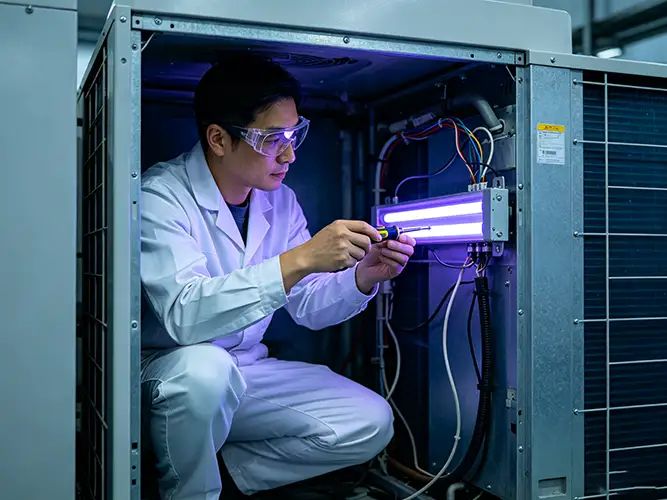
When properly installed inside HVAC equipment, UV-C systems are generally safe because the ultraviolet light remains enclosed within the HVAC system.
However, direct exposure to UV-C light should always be avoided because it may damage:
- Eyes
- Skin
- Sensitive materials
Professional installation is strongly recommended.
Maintenance of A/C Ultraviolet Light Systems
Like all HVAC components, a/c ultraviolet light systems require periodic maintenance.
Typical maintenance includes:
- Lamp replacement
- Cleaning protective covers
- Checking electrical connections
- Inspecting mounting systems
Traditional UV lamps usually require replacement every 9–12 months, while UVC LED systems may offer significantly longer lifespans.
A/C Ultraviolet Light vs Traditional Air Purifiers
Many people compare a/c ultraviolet light systems with standard air purifiers.
Advantages of UV HVAC Systems
- Continuous air treatment
- Whole-building coverage
- Internal HVAC cleaning
- Lower maintenance in some cases
Advantages of Portable Air Purifiers
- Easy installation
- Portable operation
- Targeted room treatment
Many buildings combine both technologies for improved indoor air quality.
Future Trends in A/C Ultraviolet Light Technology
The future of a/c ultraviolet light systems looks very promising.
Emerging technologies include:
- Smart HVAC UV controls
- UVC LED integration
- AI-based air quality monitoring
- Energy-efficient UV systems
- IoT-connected HVAC sterilization
As indoor air quality becomes increasingly important, UV technology is expected to become standard in modern HVAC systems.
Why Businesses Are Adopting UVC LED HVAC Technology
Commercial industries increasingly prefer UVC LED solutions because they offer:
- Environmentally friendly operation
- Mercury-free technology
- Flexible installation
- Compact module design
- Lower operating costs
Manufacturers are developing advanced UV LED modules specifically for HVAC disinfection and air purification systems.
Conclusion
A/C ultraviolet light technology is transforming the HVAC industry by improving indoor air quality, reducing microbial contamination, and supporting cleaner air circulation.
From residential homes to hospitals and commercial buildings, UV HVAC systems provide important benefits including mold reduction, odor control, and improved HVAC efficiency.
As UVC LED technology continues advancing, modern a/c ultraviolet light systems are becoming safer, more efficient, and more environmentally friendly than ever before.