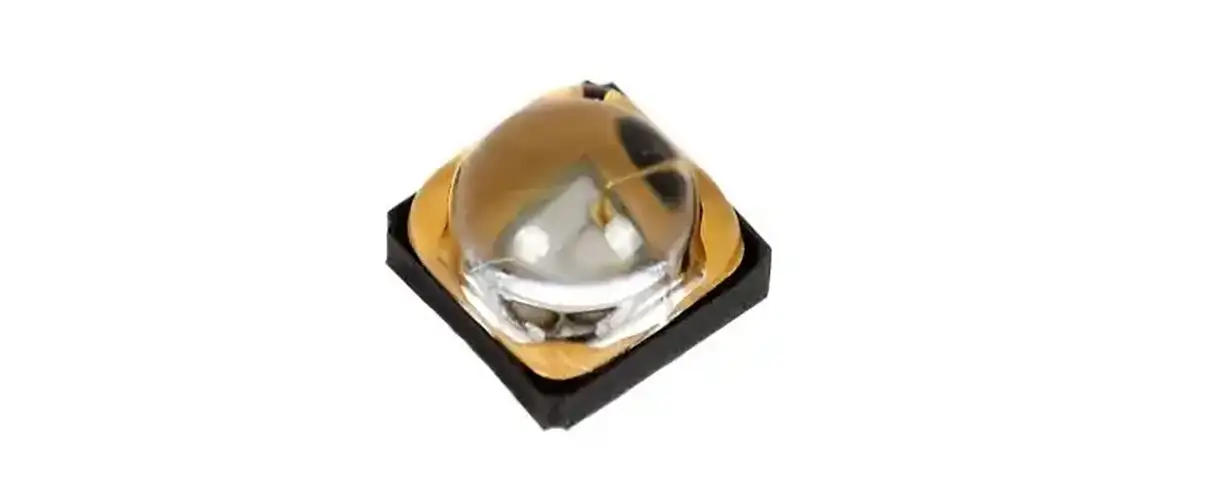
Many people today ask an important question: do LEDs emit UV? With the growing popularity of LED lighting in homes, industries, medical systems, and sterilization equipment, understanding whether LEDs produce ultraviolet radiation has become increasingly important.
The short answer is: some LEDs emit UV light, while most standard LEDs emit very little or almost no ultraviolet radiation. The result depends on the LED design, semiconductor materials, and intended application.
In this article, we will explain everything about do LEDs emit UV, including how LEDs work, types of UV LEDs, wavelength classifications, industrial applications, safety considerations, and future UV LED technologies.
What Is UV Light?
Before understanding do LEDs emit UV, it is important to understand ultraviolet radiation itself.
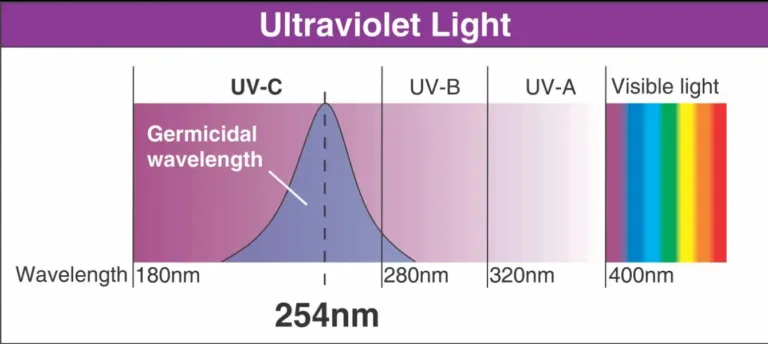
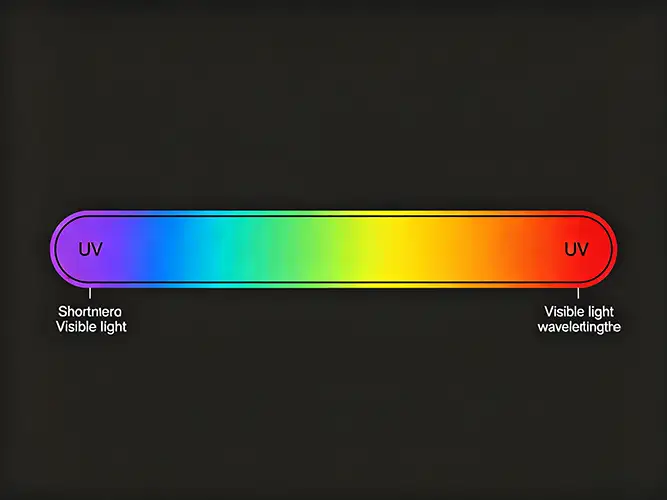
Ultraviolet (UV) light is a form of electromagnetic radiation with wavelengths shorter than visible light but longer than X-rays. UV light is commonly divided into three categories:
Different UV wavelengths are used for different applications.
UV-A Applications
- UV curing
- Nail lamps
- Black lights
- Industrial inspection
UV-B Applications
- Medical phototherapy
- Specialized research
- Vitamin D stimulation
UV-C Applications
- Water sterilization
- Air purification
- Surface disinfection
- Medical sanitation systems
Do LEDs Emit UV Naturally?
When discussing do LEDs emit UV, the answer depends on the type of LED.
Standard White LEDs
Most standard white LEDs used in homes and offices emit almost no UV radiation. These LEDs typically work by:
- Producing blue light from a semiconductor chip
- Passing the light through phosphor coatings
- Creating white visible light
The phosphor layer absorbs most UV wavelengths, meaning common household LEDs are generally considered low-UV light sources.
Specialized UV LEDs
However, specially designed UV LEDs are engineered specifically to emit ultraviolet radiation. These UV LEDs are now widely used in industrial, commercial, and medical applications.
How UV LEDs Work
To fully answer do LEDs emit UV, it is important to understand UV LED technology.
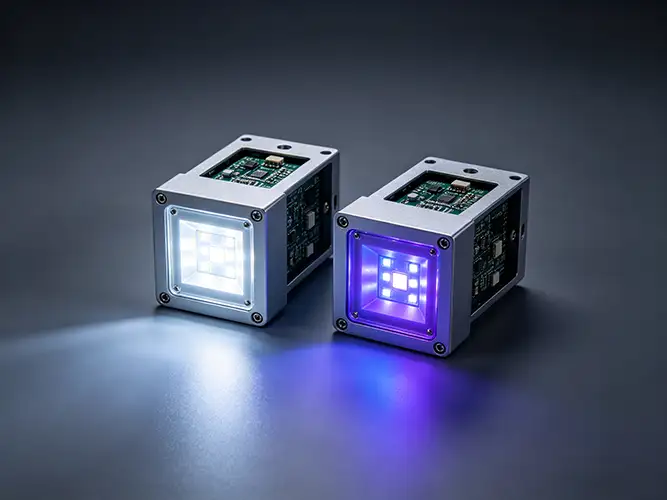
UV LEDs use semiconductor materials designed to produce ultraviolet wavelengths directly. Unlike traditional mercury UV lamps, UV LEDs generate UV radiation more efficiently and with greater wavelength precision.
Common UV LED Wavelengths
- 365nm
- 385nm
- 395nm
- 405nm
- 275nm
- 265nm
Different wavelengths serve different industrial purposes.
For example:
- 365nm is widely used for curing and inspection
- 395nm is common in printing applications
- 275nm is popular for disinfection systems
Types of LEDs That Emit UV
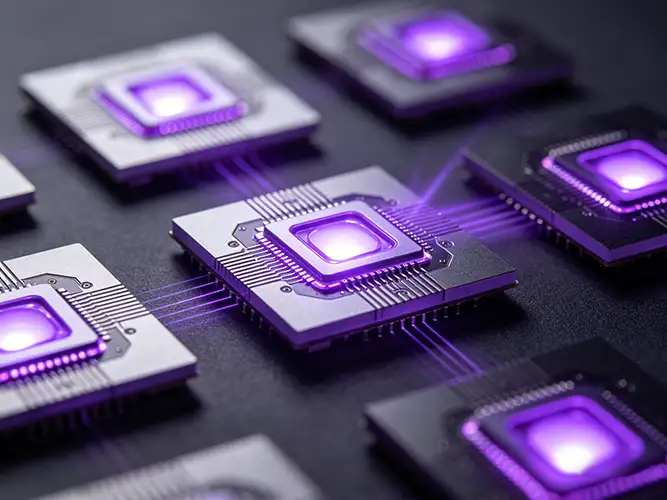
Another important part of understanding do LEDs emit UV is recognizing the different categories of UV-emitting LEDs.
UV-A LEDs
UV-A LEDs are the most common UV LED products on the market. They are used in:
- UV curing systems
- Printing equipment
- Nail lamps
- Industrial inspection devices
UV-A LEDs are relatively energy efficient and have long operational lifespans.
UV-B LEDs
UV-B LEDs are less common and mainly used for:
- Medical treatment systems
- Scientific research
- Specialized industrial applications
UV-C LEDs
UV-C LEDs are increasingly popular because of their ability to disinfect water, air, and surfaces.
Applications include:
- UVC water filters
- Air purification systems
- Portable sterilizers
- Medical equipment
Do Household LEDs Emit Dangerous UV?
One of the most common concerns related to do LEDs emit UV is whether standard household LEDs are harmful.
Fortunately, most residential LED lighting emits extremely low levels of UV radiation. Compared with older technologies such as fluorescent lamps or halogen bulbs, standard LEDs generally produce much less ultraviolet light.
Why Standard LEDs Produce Little UV
- Phosphor coatings absorb UV emissions
- Semiconductor materials target visible light
- Energy conversion focuses on efficiency
For everyday home use, standard LED bulbs are generally considered safe regarding UV exposure.
Industrial Applications of UV LEDs
The question do LEDs emit UV becomes especially important in industrial applications because UV LEDs are now replacing traditional mercury lamps in many industries.
UV Curing
UV LEDs are widely used for:
- Ink curing
- Coating systems
- Adhesive bonding
- Electronics manufacturing
Advantages include:
- Instant startup
- Lower energy consumption
- Longer lifespan
- Reduced maintenance

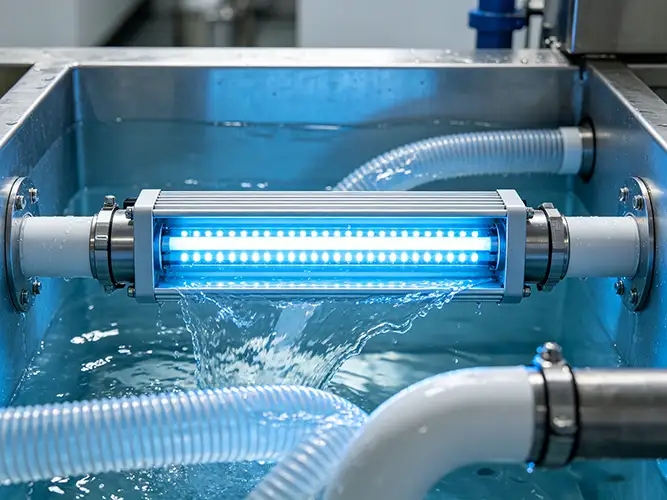
UV Water Treatment
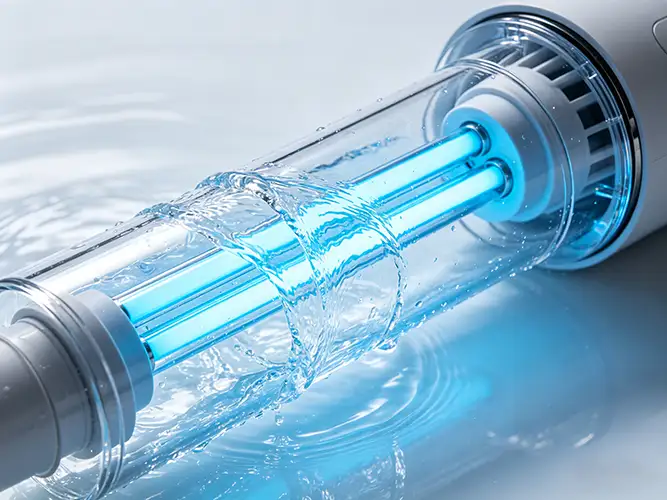
UV-C LEDs are increasingly used in water purification systems because they help deactivate bacteria and microorganisms.
Applications include:
- Drinking water purification
- Portable filters
- Commercial water systems
- Smart water dispensers
Compared with traditional mercury lamps, UV LED systems offer:
- Compact size
- Mercury-free operation
- Lower power consumption
- Faster startup
UV Disinfection
Since global demand for sanitation technologies increased, UV-C LEDs have become essential in:
- Air purification systems
- HVAC sterilization
- Medical equipment
- Surface sanitizers
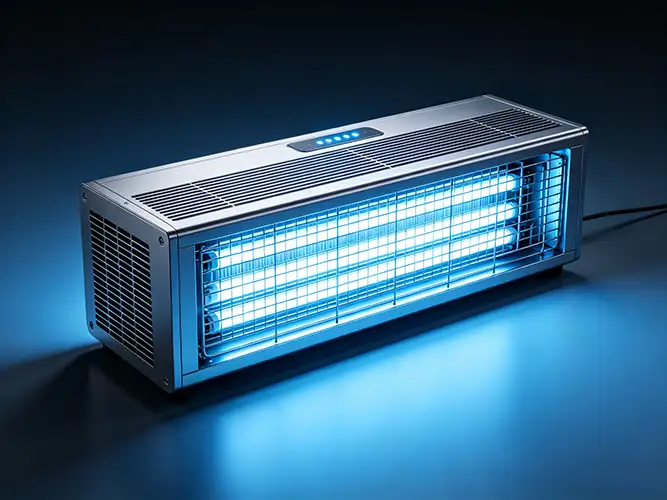
UV LED disinfection systems are compact, energy-efficient, and environmentally friendly.
Advantages of UV LED Technology
Understanding do LEDs emit UV also means understanding why UV LEDs are becoming more popular worldwide.
Main Advantages of UV LEDs
- Mercury-free technology
- Longer operational life
- Instant on/off capability
- Precise wavelength control
- Lower maintenance costs
- Compact design
- Lower energy consumption
These advantages make UV LEDs ideal for modern industrial and commercial systems.
Safety Considerations for UV LEDs
Although many people ask do LEDs emit UV, safety depends heavily on wavelength and exposure level.
UV-A Safety
UV-A LEDs are generally safer than UV-C, but prolonged exposure may still affect skin and eyes.
UV-C Safety
UV-C radiation should be handled carefully because direct exposure may damage:
- Eyes
- Skin
- Sensitive materials
Professional UV systems often include:
- Protective shielding
- Automatic shutoff systems
- Controlled exposure timing
Recommended Safety Practices
- Avoid direct eye exposure
- Use protective eyewear
- Follow manufacturer guidelines
- Use certified equipment

Future Development of UV LED Technology
The UV LED industry continues growing rapidly as more industries replace traditional UV lamps with LED technology.
Future trends include:
- Higher UV efficiency
- Longer lifespan
- More compact designs
- Smart UV control systems
- AI-integrated sterilization devices
- Portable UV solutions
As technology improves, more people searching do LEDs emit UV will discover that UV LEDs are becoming essential across healthcare, industrial manufacturing, environmental protection, and consumer products.
Conclusion
So, do LEDs emit UV? The answer is yes — but only certain LEDs are specifically designed to produce ultraviolet radiation.
Standard household LEDs emit very little UV light, while specialized UV LEDs are engineered for industrial curing, water treatment, disinfection, medical applications, and inspection systems.
UV LED technology offers significant advantages over traditional mercury lamps, including lower energy consumption, longer lifespan, instant startup, and environmentally friendly operation.
As industries continue adopting safer and more efficient UV solutions, UV LED technology will play an increasingly important role in modern applications worldwide.