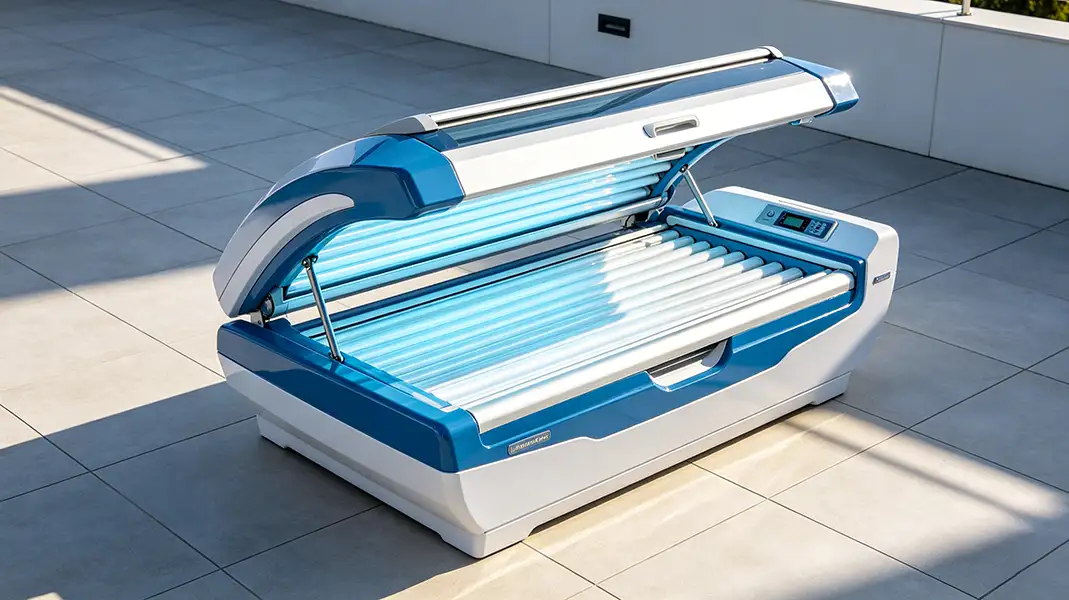
Many people searching for professional tanning equipment often ask the same question: can you tan in UV 6? The answer depends on understanding how UV light works, what “UV 6” refers to, and how different ultraviolet wavelengths affect human skin.
In the tanning industry, UV technology plays a major role in achieving faster, darker, and more even tanning results. Whether you are operating a tanning salon, researching UV lamp systems, or simply curious about UV exposure, understanding the science behind UV tanning is essential.
This article explains everything about can you tan in UV 6, including tanning principles, UV wavelength categories, tanning equipment, safety considerations, and professional UV solutions.
What Does UV 6 Mean?
Before answering can you tan in UV 6, it is important to understand the meaning of UV classifications.
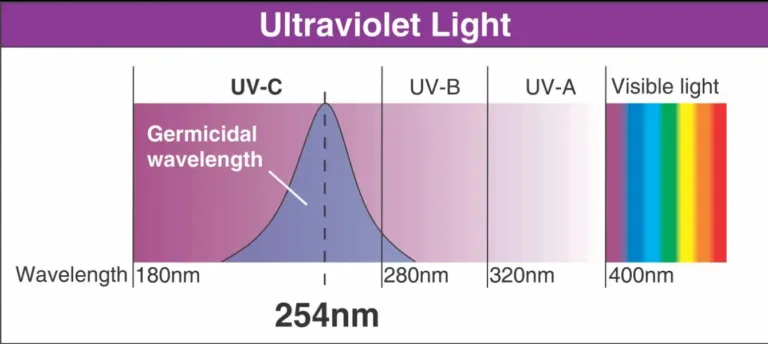
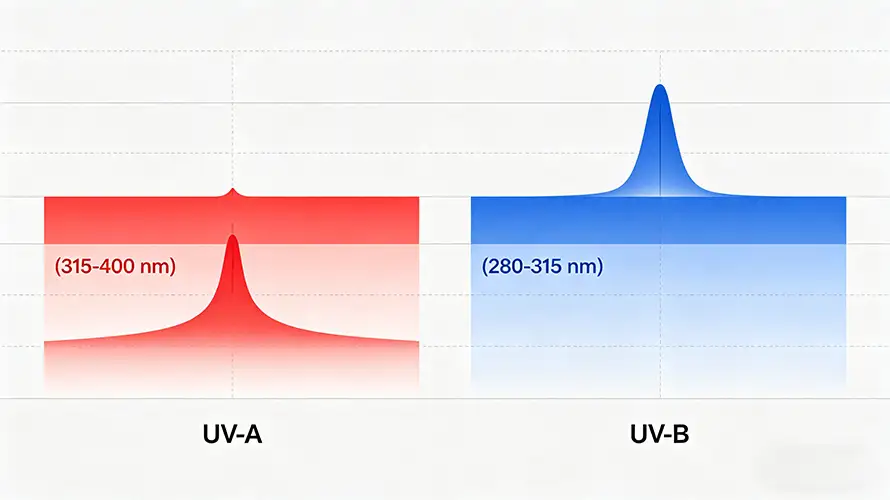
Ultraviolet light is commonly divided into several wavelength categories:
- UV-A (315–400nm)
- UV-B (280–315nm)
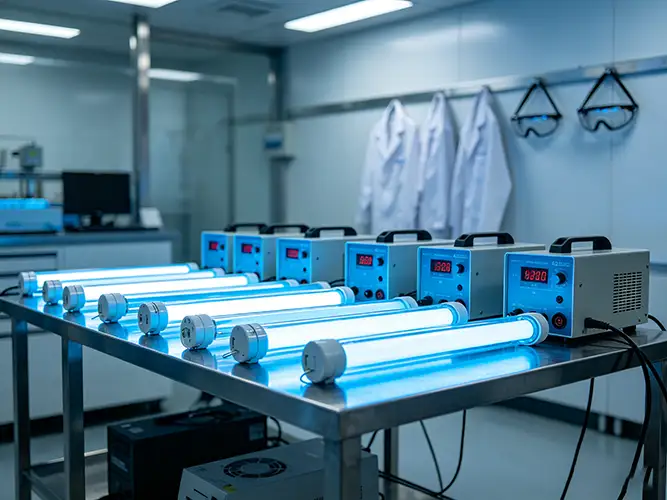
- UV-C (100–280nm)
Most tanning systems mainly use UV-A and controlled levels of UV-B. UV-C is generally used for sterilization and disinfection rather than tanning.
In some tanning equipment or UV lamp systems, “UV 6” may refer to:
- A specific tanning lamp model
- UV intensity level
- UV index category
- Tanning bed performance rating
- Commercial naming convention
Because different manufacturers use different standards, the phrase can you tan in UV 6 often relates to whether the UV output is strong enough for tanning purposes.
Can You Tan in UV 6?
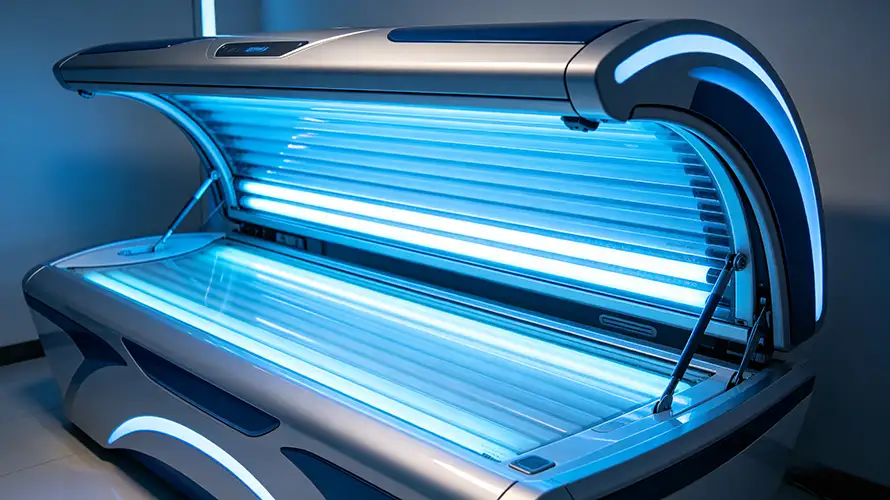
The short answer is yes, depending on the UV wavelength and intensity being used.
When discussing can you tan in UV 6, most tanning results come from exposure to UV-A radiation. UV-A penetrates deeper into the skin and stimulates melanin oxidation, which creates a darker skin appearance.
UV-B also contributes to tanning by stimulating melanin production, but excessive UV-B exposure may increase the risk of sunburn.
If a UV 6 tanning system produces sufficient UV-A intensity with balanced UV-B output, tanning is possible.
Factors That Affect Tanning Results
Several factors influence whether you can effectively tan in UV 6 systems:
- UV wavelength distribution
- Exposure duration
- Distance from UV lamps
- Skin type
- Lamp quality
- Reflector efficiency
- Tanning bed design
Professional tanning equipment is carefully designed to balance tanning efficiency and user comfort.
How UV Tanning Technology Works
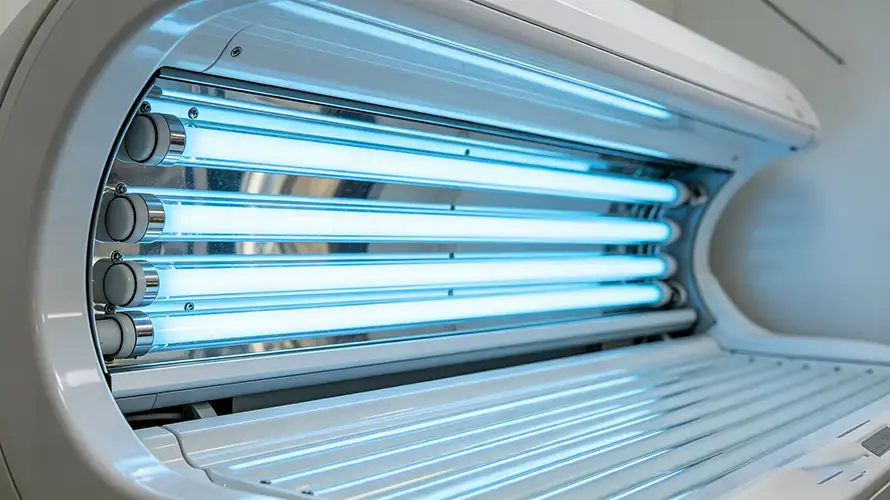
To fully understand can you tan in UV 6, it helps to know how UV tanning affects the skin.
When ultraviolet light reaches the skin:
- Melanocytes become activated
- Melanin production increases
- Existing melanin darkens
- Skin develops a tanned appearance
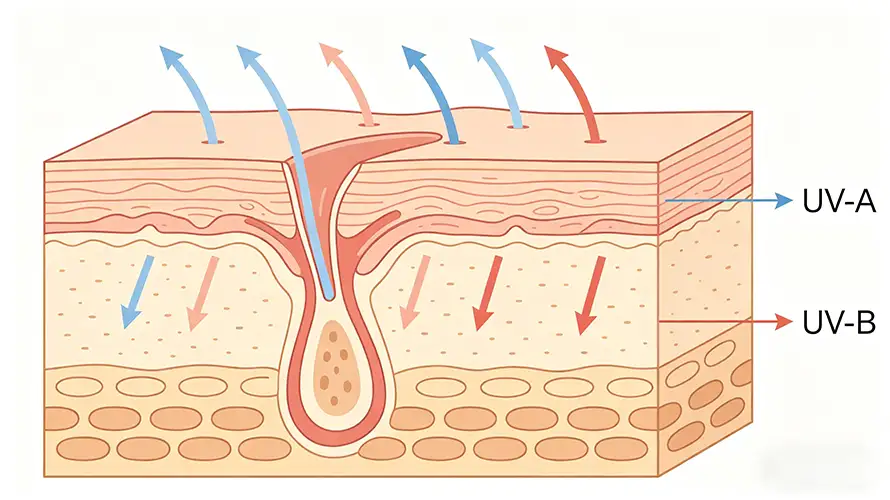
UV-A wavelengths are primarily responsible for immediate tanning effects, while UV-B contributes to delayed tanning and vitamin D production.
Modern tanning systems optimize this balance to achieve:
- Faster tanning
- More even skin tone
- Reduced overheating
- Improved tanning consistency
Professional UV systems often use reflective technology and advanced cooling systems to maximize tanning efficiency.
UV-A vs UV-B in Tanning Systems
When researching can you tan in UV 6, understanding UV-A and UV-B differences is extremely important.
UV-A for Tanning
UV-A is commonly used in commercial tanning beds because it:
- Produces immediate tanning results
- Penetrates deeper skin layers
- Creates darker appearance
- Generates less burning compared with UV-B
Most professional tanning systems rely heavily on UV-A output.
UV-B for Melanin Production
UV-B wavelengths:
- Stimulate new melanin production
- Support vitamin D synthesis
- Produce longer-lasting tans
- Increase sunburn risk if excessive
Modern tanning equipment carefully controls UV-B intensity for safety and tanning balance.
Can You Tan Faster in UV 6 Systems?
Many users searching can you tan in UV 6 also want to know whether UV 6 systems produce faster tanning results.
The answer depends on:
- Lamp power
- UV intensity
- Reflector technology
- Exposure timing
- Skin sensitivity
Higher-quality tanning systems usually provide:
- More uniform UV exposure
- Better lamp efficiency
- Improved tanning consistency
- Reduced hot spots
Commercial tanning salons often upgrade lamp systems to improve tanning speed and customer satisfaction.
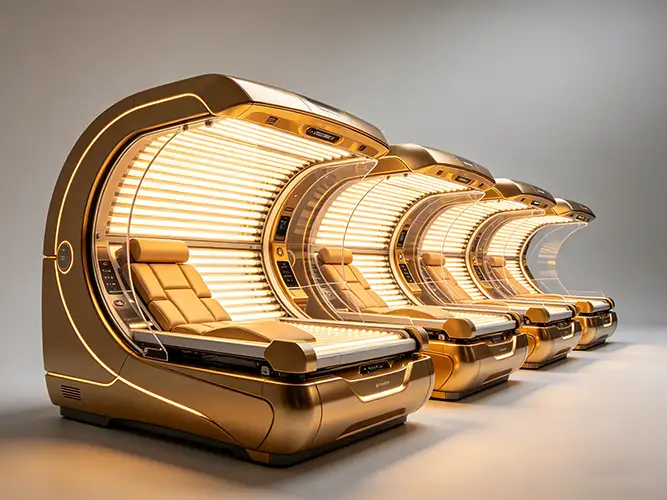
Professional UV Tanning Equipment
Modern tanning technology has evolved significantly in recent years. Professional UV systems now include:
- Smart digital controls
- Adjustable tanning levels
- Enhanced cooling systems
- High-reflectivity chambers
- Energy-efficient UV lamps
When customers ask can you tan in UV 6, the actual tanning performance often depends more on overall system design than a single UV rating.
Professional manufacturers carefully optimize:
- UV wavelength balance
- Lamp positioning
- Internal airflow
- Reflective efficiency
- Power stability
Safety Considerations for UV Tanning
Although many people ask can you tan in UV 6, safe tanning practices are equally important.
Recommended Tanning Safety Tips
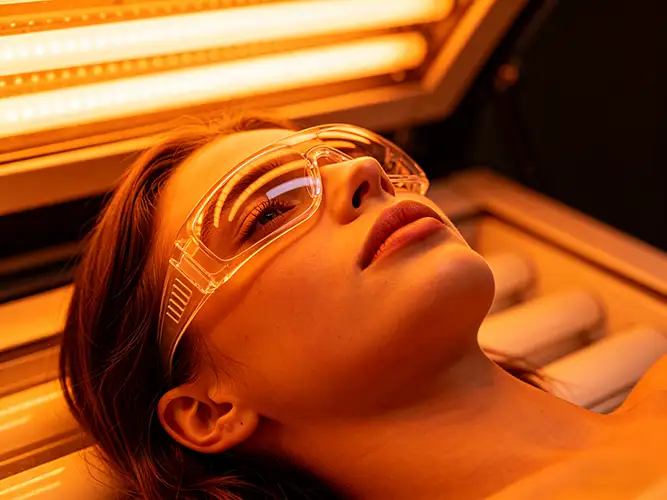
- Use protective eyewear
- Limit exposure time
- Follow equipment guidelines
- Avoid excessive UV exposure
- Stay hydrated
- Use skin moisturizers
Skin type also affects tanning tolerance. Fair skin generally requires shorter exposure sessions compared with darker skin tones.
Professional tanning systems are designed with timing controls and safety features to help reduce overexposure risks.
Future Trends in UV Tanning Technology
The tanning industry continues developing more advanced UV technologies.
Future innovations include:
- Smart tanning sensors
- AI-controlled UV intensity
- Personalized tanning programs
- Energy-saving UV systems
- Enhanced cooling technology
- Improved reflector materials
As UV technology advances, more consumers continue searching questions like can you tan in UV 6 to better understand tanning performance and UV efficiency.
Manufacturers are also focusing on:
- Longer lamp lifespan
- Lower energy consumption
- Improved user comfort
- More precise UV output control
Choosing Professional UV Solutions
If you are considering tanning equipment or UV lamp systems, selecting reliable UV technology is important.
Professional UV equipment should provide:
- Stable UV output
- Efficient reflector systems
- Reliable cooling performance
- Long operational lifespan
- Certified safety standards
Whether for commercial salons or specialized tanning applications, choosing high-quality UV systems improves both performance and user experience.
Conclusion
So, can you tan in UV 6? In most cases, yes — if the UV system provides appropriate UV-A and controlled UV-B wavelengths designed for tanning applications.
Modern tanning technology combines advanced UV engineering, reflector systems, and smart controls to create safer and more effective tanning experiences. Understanding UV wavelengths, exposure balance, and equipment quality is essential for achieving the best tanning results.
As tanning technology continues evolving, professional UV systems are becoming more efficient, comfortable, and energy-saving than ever before.