seoul viosys uv led chip 385nm
Product Details Description
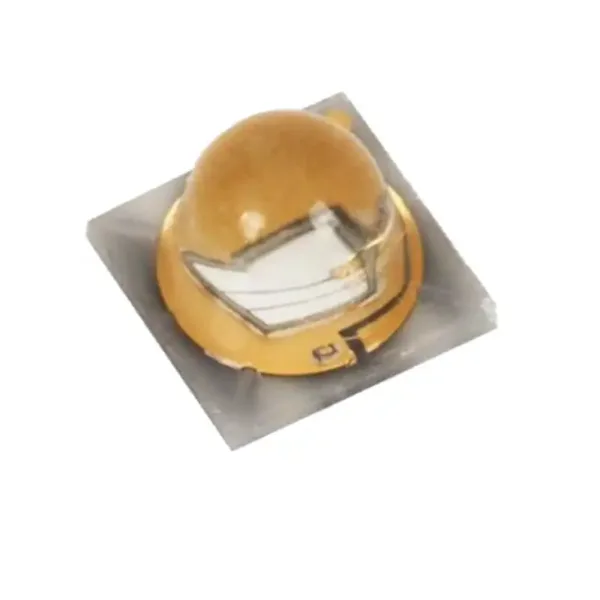
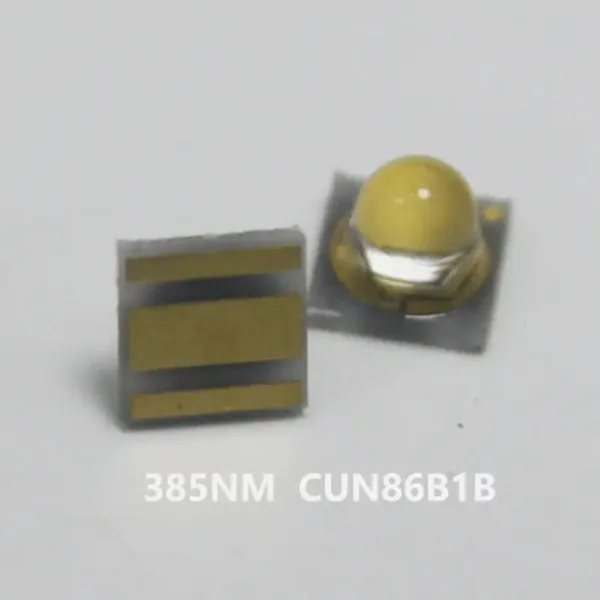
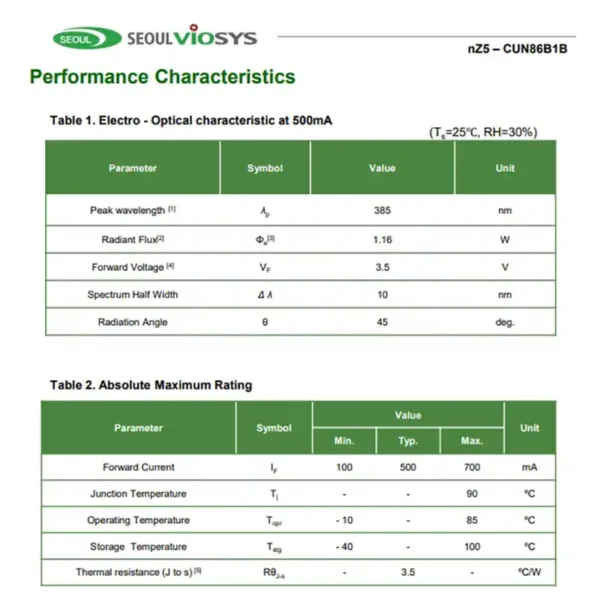
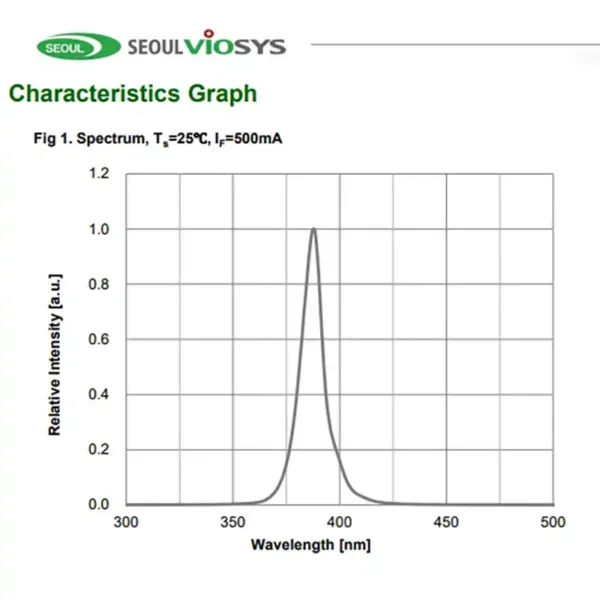
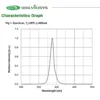
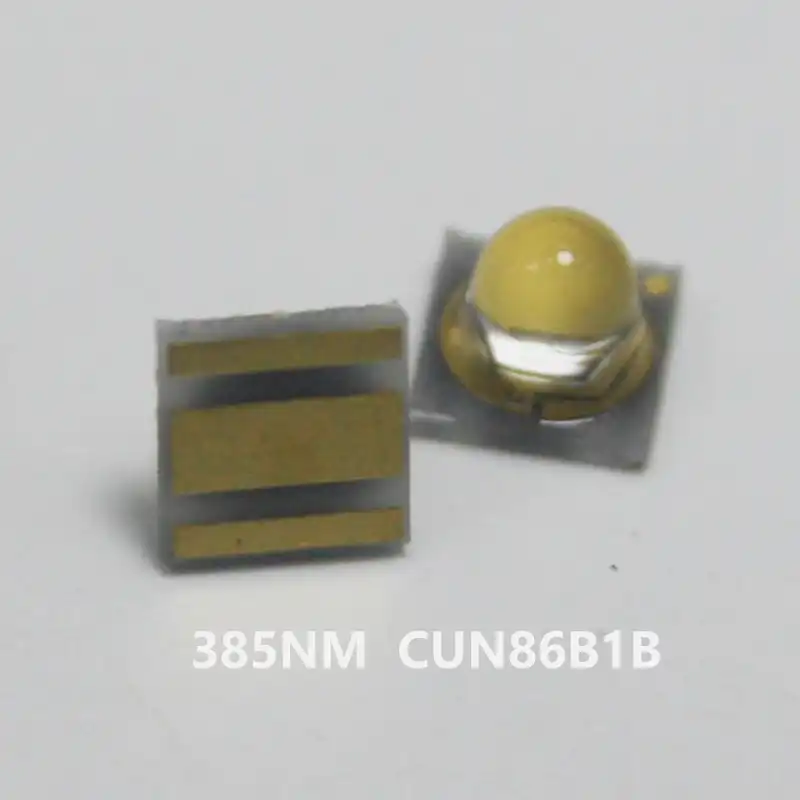
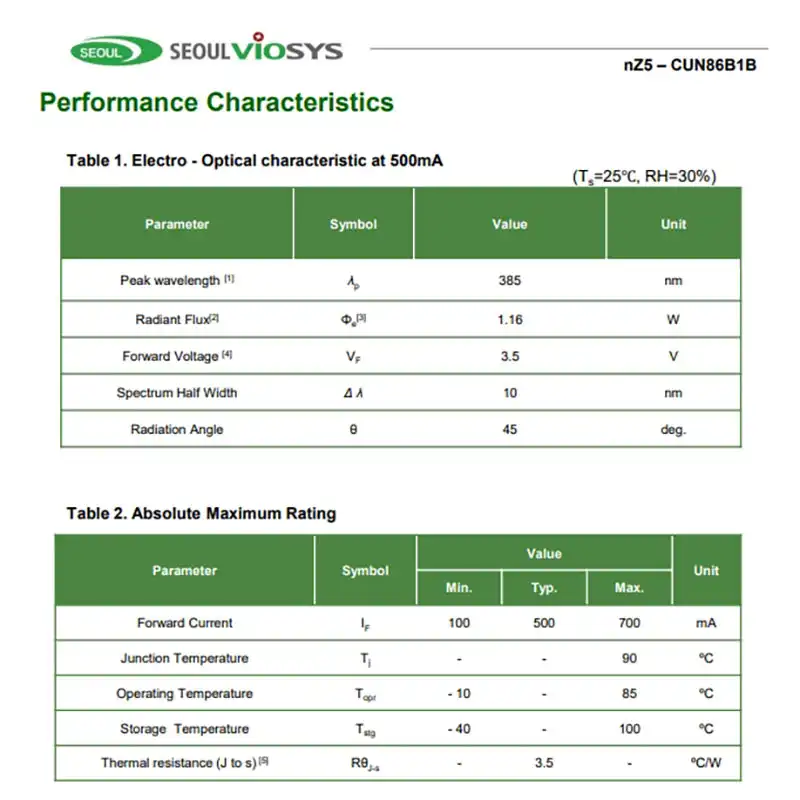
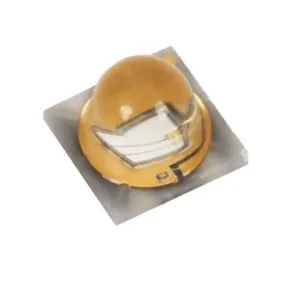
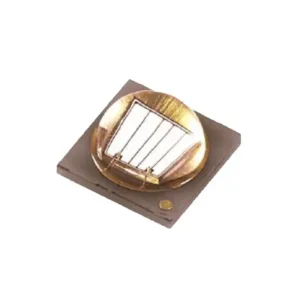
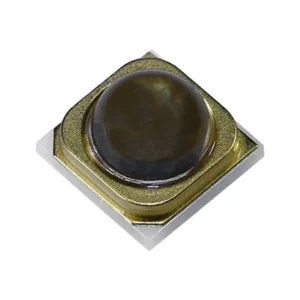
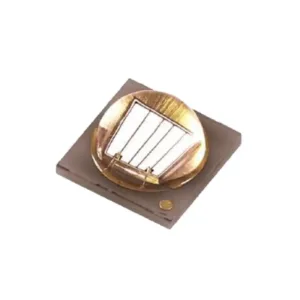
The Seoul Viosys CUN86B1B is a high power Seoul Viosys UV LED chip specially designed for professional 385nm UV-A applications which require a small form factor, high directivity and good SMD packaging. With 385nm wavelength, 1160mW radiant power, 3.5V voltage, 500mA current and a 45° viewing angle, it can be used by manufacturers who develop UV curing equipment, printing systems, coating machines, inspection lamps, UV torch and customized UV LED modules.
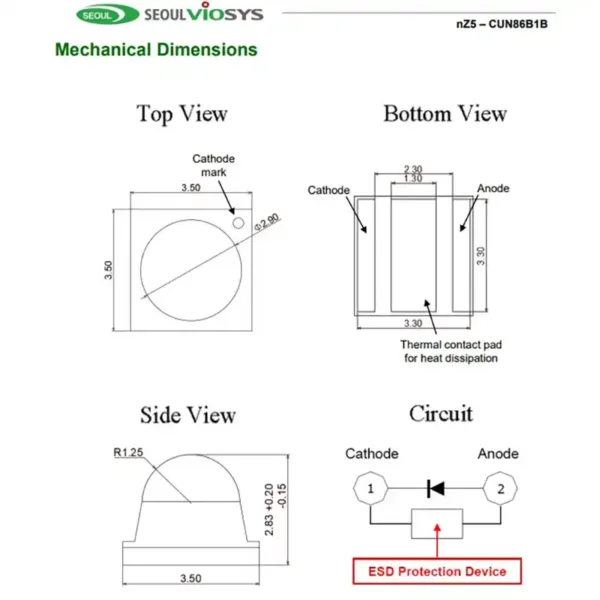
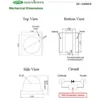
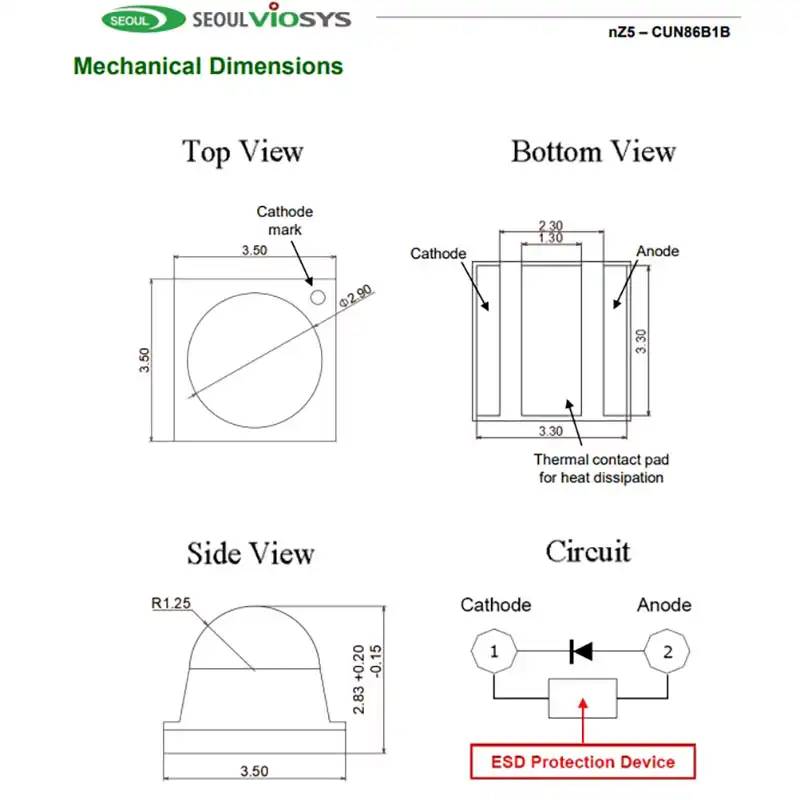
This Seoul Viosys UV LED chip is a part of nZ5 near-UV LED series. It is intended for high current applications and is packed in the latest SMD construction which includes low thermal resistance material. The 3.5 x 3.5 x 2.8mm package allows engineers to build a UV engine without using bulky conventional lamps.
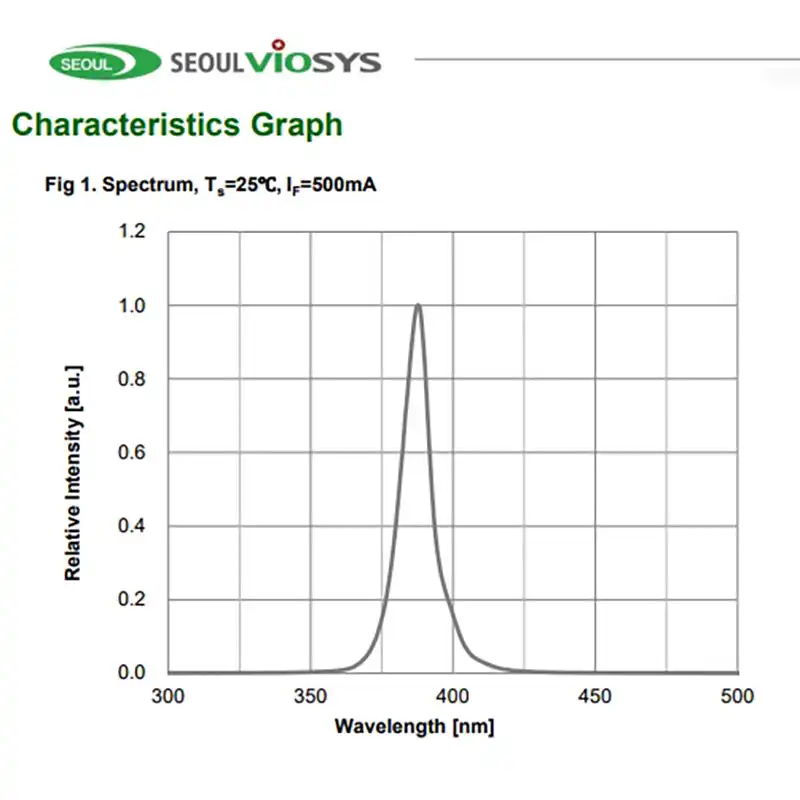
385nm wavelength is chosen as a standard for UV curing, printing, coating, adhesive curing, counterfeit detection, security inspection, UV torches, fluorescence photography, dental curing, crime inspection and oil leak detection. In comparison with 365nm UV LEDs, 385nm usually provides a higher visible violet output that can be helpful for visual alignment and UV reactive inspection, but still provide useful UV-A energy.
For industrial applications, this Seoul Viosys UV LED chip can be integrated into curing modules, printing equipment, coating machines, adhesive curing tools and dental curing modules when the material is reacting on 385nm UV-A emission. Final performance depends on material chemistry, exposure distance, driving current, optics, thermal structure and required UV dose.
45° viewing angle gives this model a narrow beam profile. It is more concentrated than 65° and 120° UV LEDs and can be helpful in cases where the design requires higher local intensity over a smaller area. This beam profile suits well UV flashlight heads, spot curing modules, inspection lamps, adhesive bonding tools and compact exposure devices.
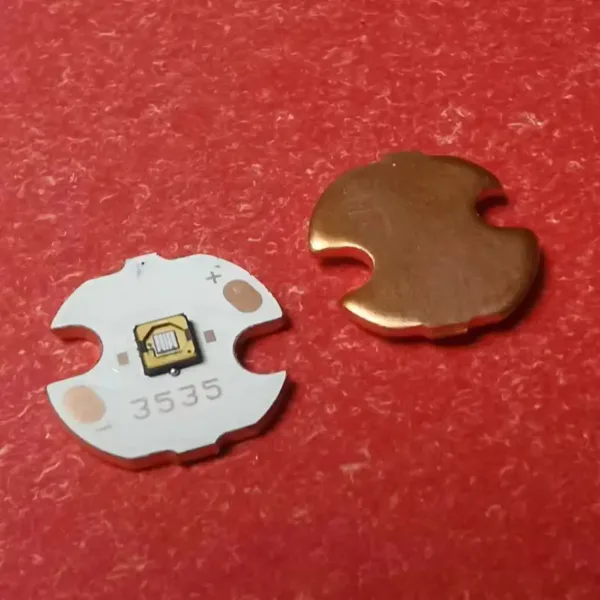
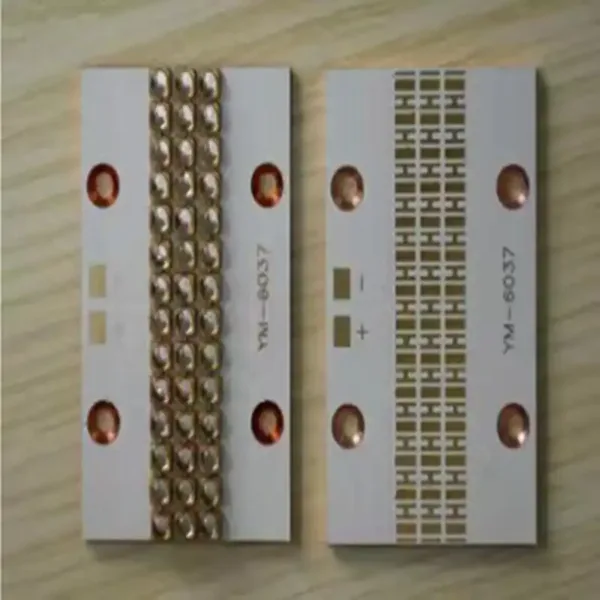
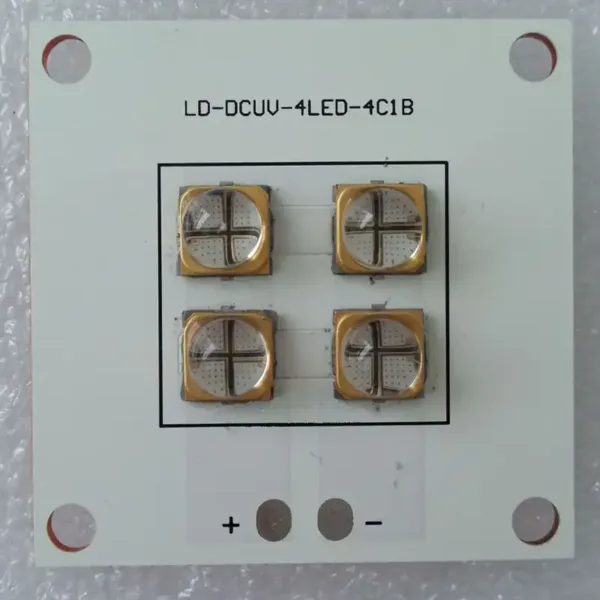
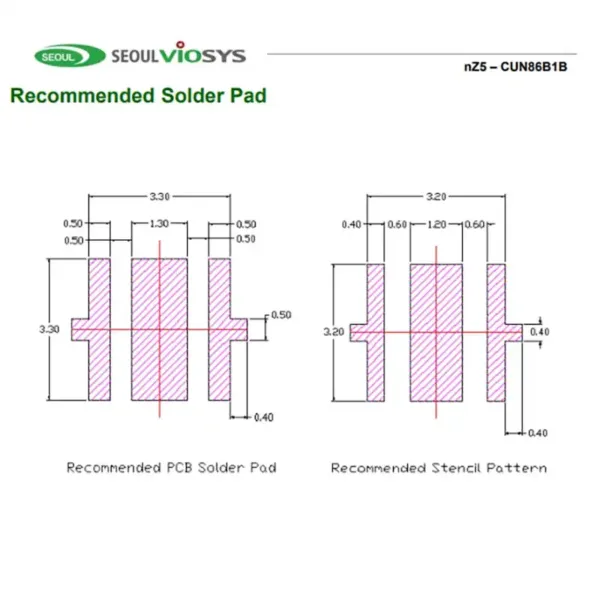
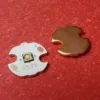
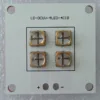
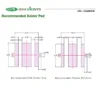
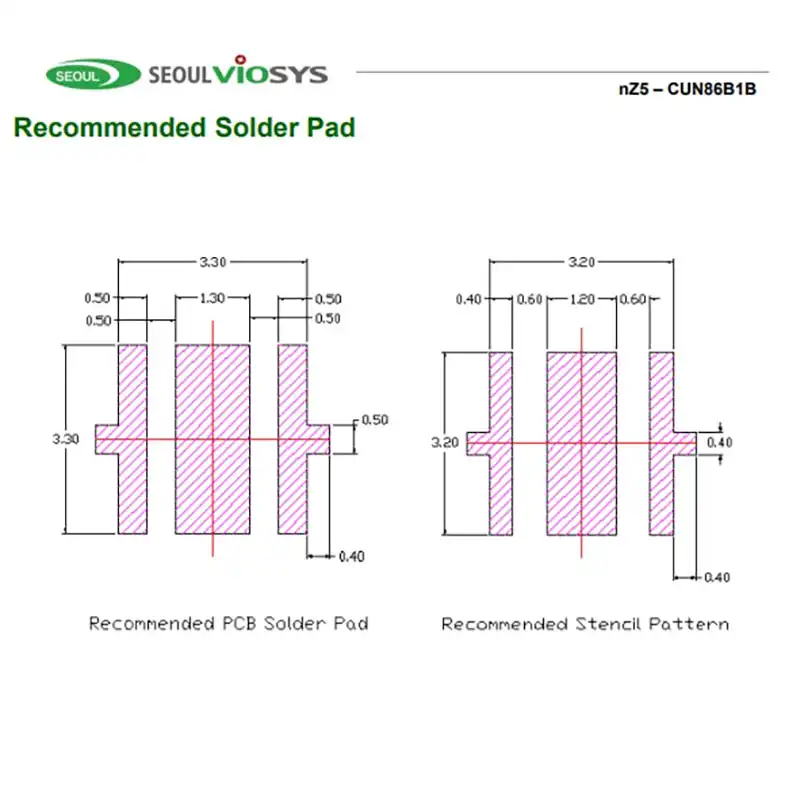
For OEM and ODM projects, the CUN86B1B can be welded on 12mm, 14mm, 16mm, 20mm or other aluminum and copper PCB boards. Aluminum PCB is optimal for many conventional UV module designs, while copper PCB can be used when a better thermal transfer is needed. The LED can be delivered as a component or assembled into UV flashlight modules, curing modules, inspection lamps and other customized UV LED modules.
Thermal design is essential for 500mA UV LED. In order to ensure stable radiant output and long-time operation of the module, it is necessary to use the right constant current driver, proper soldering process, correct PCB material and sufficient heat dissipation. Engineers should check board temperature, radiant output, beam profile and application performance in the final product before mass production.
This product is an UV LED component, not an industrial lamp. Industrial lamp should contain a driver circuit, PCB board, heat sink, housing, optical lens or reflector, wiring, switch and safety structure. CUN86B1B is a 385nm UVA light source, not UVC sterilization LED and should not be promoted for sterilization and disinfection purposes.
It is not recommended to look directly at the operating UV LED and avoid skin or eye exposure. Use protective eyewear, shielding and safe working procedures during testing, assembly and operation.
Specifications
Brand: Seoul Viosys uv led chip
Model NO.: CUN86B1B
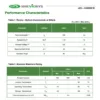
Wavelength: 385nm
Size: 3.5 x 3.5 x 2.8mm
Voltage: 3.5V
Current: 500mA
Radiant Power: 1160mW
View Angle: 45°
PCB Options: Can be welded on 12mm, 14mm, 16mm, 20mm, or other aluminum or copper PCB board
Service: OEM ODM service for UV flashlight or other UV LED module
Features and Benefits
High power output
High current operation design
Narrow viewing angle
Low thermal resistance
SMT type
Lead free product
RoHS compliant
3535 SMD package
Focused UV-A module design
Key Applications
UV Curing
Printing
Coating
Adhesive
Counterfeit Detection / Security
UV Torch
Fluorescence Photography
Dental Curing
Crime Inspection
Oil Leak Detection
FAQ
What is this Seoul Viosys UV LED chip used for?
This Seoul Viosys UV LED chip is used for UV curing, printing, coating, adhesive curing, counterfeit detection, security inspection, UV torch design, fluorescence photography, dental curing, crime inspection and oil leak detection.
Is CUN86B1B a Seoul Viosys UV LED?
Yes. CUN86B1B is a Seoul Viosys 385nm UV-A LED in a 3535 SMD package.
What wavelength does this UV LED chip use?
The CUN86B1B uses a 385nm wavelength which belongs to the UVA / near-UV range.
What is the radiant power?
The radiant power is 1160mW.
What is the forward voltage?
The forward voltage is 3.5V.
What is the operating current?
The operating current is 500mA.
What is the package size?
The package size is 3.5 x 3.5 x 2.8mm.
What is the view angle?
The view angle is 45° which gives this Seoul Viosys UV LED chip a narrow beam for focused curing, inspection, UV torch and detection applications.
Can this LED be mounted on PCB boards?
Yes. It can be welded on 12mm, 14mm, 16mm, 20mm, or other aluminum or copper PCB boards according to the final product structure.
Do you provide OEM or ODM UV LED modules?
Yes. OEM and ODM service is available for UV flashlight modules, UV curing modules, inspection lights, dental curing modules and customized UV LED assemblies.
Is this LED suitable for UV curing?
Yes. It can be used for UV curing, adhesive curing, printing, coating, dental curing and related UV-A applications when the material responds to 385nm.
Can it be used for UV flashlights?
Yes. Its 385nm wavelength, 1160mW radiant power and 45° beam angle make it suitable for focused UV flashlight and UV torch module designs.
Is this Seoul Viosys UV LED chip suitable for sterilization?
No. This is a 385nm UVA LED, not a UVC sterilization LED. It should not be used or promoted for disinfection and germicidal applications.
Why is thermal design important?
The CUN86B1B operates at 500mA, so proper PCB material, heat sinking, current control and thermal testing are important for stable UV output and long-term module performance.
Is it safe to look directly at the LED?
No. Do not look directly at the operating UV LED. Use protective eyewear, shielding and safe working procedures during testing, assembly and operation.


Reviews
There are no reviews yet.