Introduction
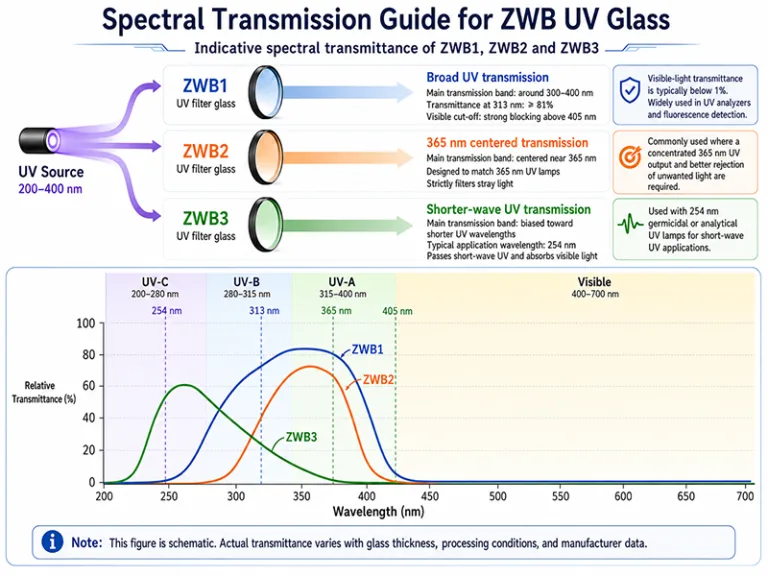
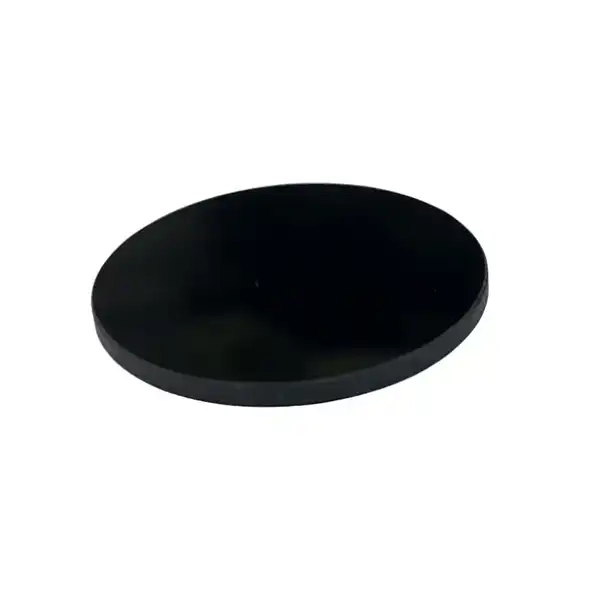
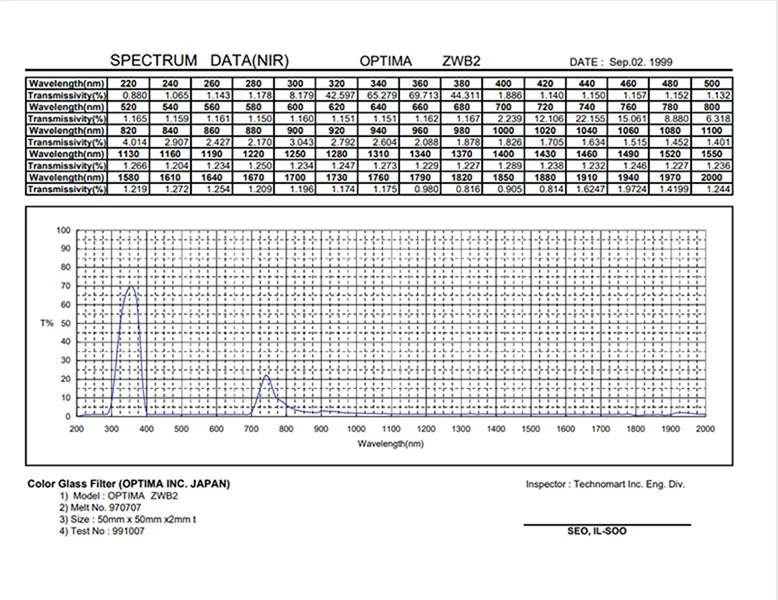
ZWB2 filter is a special UV-pass, cut most visible light optical glass which engineered specifically for ultraviolet applications.
• Allows UV-A wavelengths (around 365nm) to pass through
• Absorb most visible light from 380–500nm
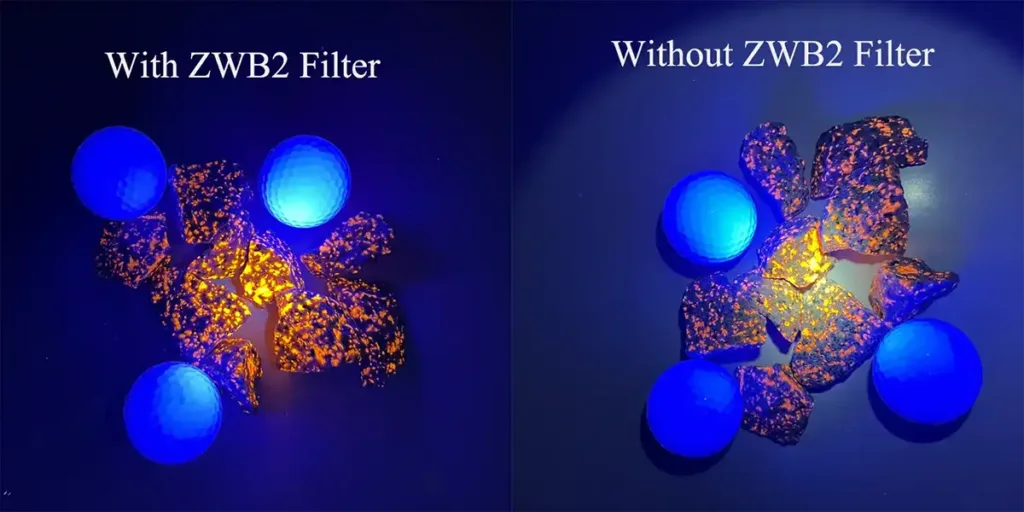
• Eliminates the “white glow” often seen in unfiltered UV flashlights or other uv light devices
Even the best 365nm UV LEDs also make a small amount of violet or blue light. This glow can hide weak fluorescence. A ZWB2 filter makes the test area look darker, so glowing colors and marks are easier to see.
| Model NO. | Thickness(mm) | 254nm | 280nm | 313nm | 334nm | 365mn | 405nm | 700nm | date |
| ZWB1 | 1 | ≥50.0 | ≥81.0 | ≤1.0 | ≤30.0 | ||||
| ZWB2 | 1 | ≥38.0 | ≥80.0 | ≤8.0 | ≤14.0 | ||||
| ZWB3 | 2 | ≥34.0 | ≥86.0 | ≤28.8 | ≤64.6 |
How Does a ZWB2 Filter Work?
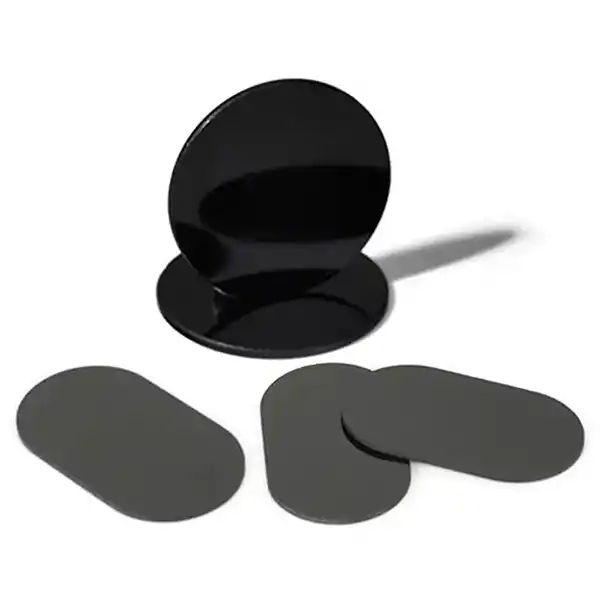
ZWB2 filter is an absorbing glass filter. Its dark color is inside the glass, not only on the surface.
It was made to pass a UV band near 365nm while reducing visible light. It is often compared with Schott UG1 or Hoya U-360 glass. However, this does not mean every filter has the same result.
Glass formula, thickness, polishing, and production quality can change performance. Ask for the transmission curve of the exact filter you plan to buy.
What Changes After You Add It?
A good ZWB2 filter can give you:
- Less purple or blue glare
- Better fluorescence contrast
- Cleaner photos and videos
- Easier viewing of weak marks
- Better results in a dark room
The filter does not make more UV power. It also absorbs some UV light. Its main job is to improve contrast by cutting unwanted visible light.
Why Does Thickness Matter?
Thickness is important, but many product pages do not explain it.
A thicker filter often blocks more unwanted light. It may also reduce more useful 365nm UV. In a high-power lamp, the glass may absorb energy and become warm.
A thinner filter may pass more UV. However, it may also let more visible or near-infrared light pass. Tests also show that ZWB2 performance can vary between suppliers and batches.
Choose thickness based on the LED power, working distance, cooling system, and blocking needs. Do not choose by diameter alone.
Can You Use ZWB2 with a 395nm Light?
ZWB2 filter glass is mainly used with 365nm UV LEDs.
A 395nm LED is close to visible violet light. Many ZWB2 curves drop fast near this range. The filter may remove much of the useful 395nm output.
Check the LED spectrum and filter curve before using them together. A ZWB2 filter made for 365nm is not always a good filter for 395nm.
Does ZWB2 filter Block Infrared Light?
Not always.
Some UV-pass black glass can also pass near-infrared light. This may not matter with a normal 365nm LED because the LED makes little infrared.
It can matter in UV photography. A full-spectrum camera may record infrared more strongly than UV. A second IR-blocking filter may be needed.
Do not describe a ZWB2 filter as “UV only” unless test data proves it.
Common Uses
ZWB2 filter glass is often used for:
- Fluorescent mineral checking
- Banknote and document inspection
- Forensic trace viewing
- Leak detection
- UV photography
- Resin and adhesive inspection
- Laboratory fluorescence tools
- Custom 365nm UV flashlights
For curing work, check UV power after adding the filter. Clear viewing is useful, but curing speed depends on the UV energy that reaches the surface.
How to Choose a Good ZWB2 Filter
Ask the supplier for clear technical data.
Check these points:
- Full transmission curve
- Transmission at 365nm
- Visible-light blocking range
- Glass thickness and tolerance
- Diameter or custom size
- Surface quality
- Edge finish
- Flatness and parallel surfaces
- Coating, if used
- Working temperature
- Batch test report
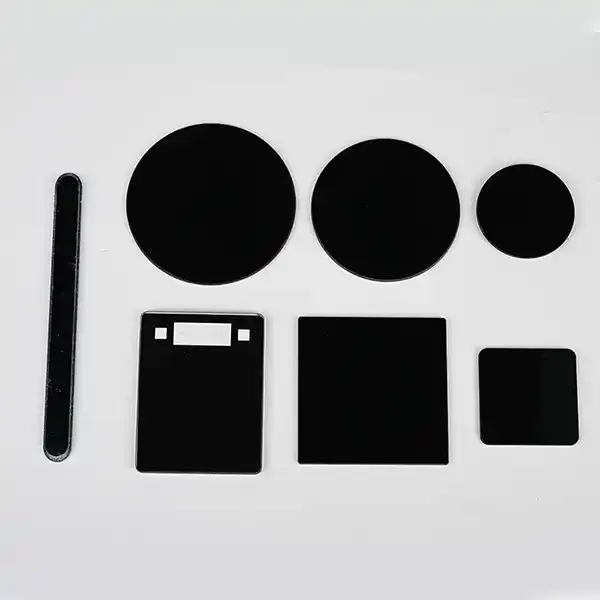
For camera use, also ask about scratches, lines in the glass, image distortion, and infrared leakage.
For a flashlight, measure the lens space. Leave room for an O-ring or retaining ring. Do not force the glass into the bezel.
How Can You Test It?
A spectrophotometer gives the best result. It shows how much light passes at each wavelength.
You can also do a simple comparison:
- Use the same 365nm light, distance, object, and camera settings.
- Take one photo without the filter.
- Take one photo with the filter.
- Compare purple glare and fluorescent color.
- Check whether the filter becomes too hot.
This test shows real-use contrast. It does not replace a full spectral report.
People Also Ask
Does a ZWB2 filter make 365nm UV stronger?
No. It usually lowers total output. It makes fluorescence look clearer by blocking visible glare.
Is ZWB2 the same as UG1 or U-360?
They have a similar use and general spectrum. They are not always exact matches. Check measured data.
Why does ZWB2 glass look black?
It absorbs most visible light. That is why it looks very dark when the UV lamp is off.
Can I use it for UV photography?
Yes, but check infrared leakage. A second IR-blocking filter may be needed for a full-spectrum camera.
Is a ZWB2 filter safe to look at?
No. A dark filter does not make UV safe. Never stare into a UV source. Use UV-rated eye protection and cover exposed skin.
Final Advice
A ZWB2 filter can improve a 365nm UV system when clean contrast is more important than maximum raw output.
The best filter is not simply the darkest one. It must match the wavelength, power, size, heat level, and final use.
Choose a supplier that provides real spectral data, size tolerances, and batch records. This helps you get stable results from order to order.