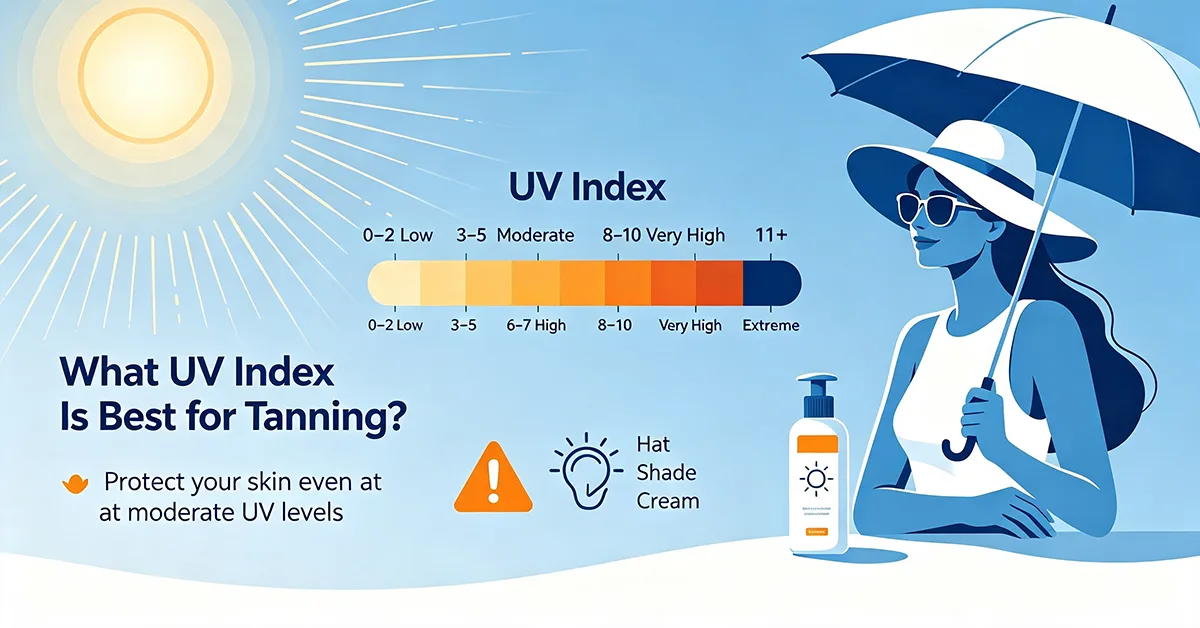
What UV Index is best for Tanning? Many people look at the UV Index before heading outdoors to avoid a burn. Some use it to locate the fastest time to tan.
But what UV Index is the best recommended for tanning?
From a health perspective, there is not an index at which tanning is healthy. The skin has become tan means it has been hit with the effects of UV rays.
A UV Index between 3 and 5 is strong enough to tan. That does not mean it can do so without potential risk to health. Health agencies recommend sun protection when the UV Index reaches 3.CDC
What Is the UV Index?
The UV index is a measure of the potential of ultraviolet (UV) rays from the sun to cause damage.
It ranges usually from 0 to 11 or greater.
a higher number mean stronger uv index, the higher risk of UV damage to skin and eyes in less time; It was intended as a warning system rather than to aid in quickly obtaining a tan.WHO
UV Index Chart for Tanning and Sun Safety
| UV Index | UV Level | Can the skin tan? | Recommended action |
| 0–2 | Low | Tanning may be slow | Use basic protection during long outdoor stays |
| 3–5 | Moderate | Tanning is possible | Use sunscreen, clothing and shade |
| 6–7 | High | Color may develop faster | Limit direct sun and avoid intentional tanning |
| 8–10 | Very high | Skin may tan or burn quickly | Reduce outdoor exposure |
| 11+ | Extreme | Very high risk of fast damage | Avoid direct midday sun |
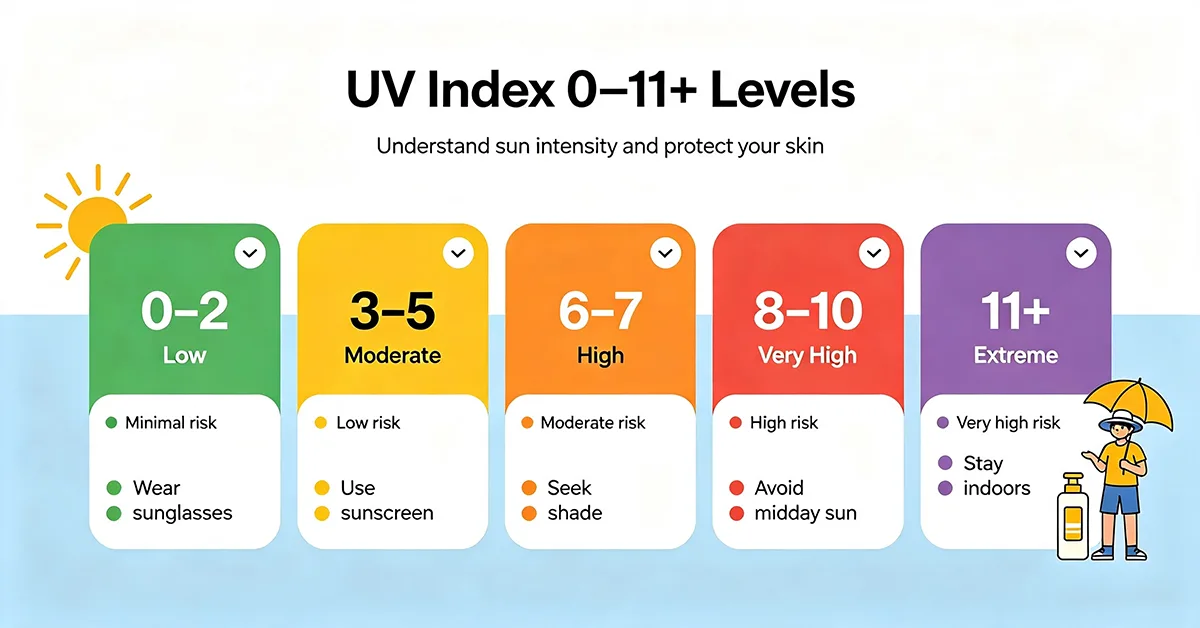
The EPA classifies UV 3–7 as moderate to high. UV 8 and above needs extra protection.US EPA
Important: This chart does not show a safe tanning range. It shows how quickly UV risk rises.
Is UV 3 to 5 Best for Tanning?
UV Index of 3 to 5 is often called a good range for tanning online, but the UV 3 also the point which the CDC recommends extra sun protection for sun users.CDC
Getting a tan occurs when skin manufactures additional pigment following UV exposure. This action is part of your defense system against UV ray damage; it’s not a sign of healthy skin.
The FDA notes there is no such thing as a safe tan. Repeated UV exposure can raise the risk of early skin aging, eye damage and skin cancer.FDA
Why High UV Is Not Better
The higher UV Index, your skin may create color faster. It may also damage skin faster.
At UV 6 or 7, the rays are classed as high. At UV 8 to 10, they are very high. UV 11 or more is extreme.FDA
On a day of high UV index, do not perceive that is your opportunity to acquire a “great” tan. The UV index rates the radiation that can damage skin and eyes.
Red or painful skin is not the only indication. Skin can receive UV damage even when it does not become red or painful.
Your Skin Type Changes the Risk
Not everyone responds to sunlight similarly. Very light skin can burn easily and tan very little.
Medium and darker skinned people may have more natural pigment, but this does not necessarily protect them from UV rays.
Individuals with darker skin tone do not burn as readily as those with lighter skin tones, but can still sustain sun damage and skin cancer.FDA
Your personal risk may also depend on:
- Previous sunburns
- Family or personal history of skin cancer
- Moles and other skin changes
- Age
- Medicines and skincare products
- Where you live
- Time of year
- Length of exposure
Do not use another person’s tanning time as a guide for your own skin.
Why Exact Tanning Times Can Be Misleading
some websites offer estimated tanning times for each UV level and skin type. Such numbers might give false assurance.
The UV Index can change during the day; Sunscreen might be spread on a thin layer or unevenly; water and sweat can wash it away; and individual sensitivity to the sun differs.
SPF is not a guarantee of so many additional extra hours of outdoor exposure; The FDA explains that SPF measures protection from a UV dose, not a guaranteed number of safe hours.U.S. Food drug administration
There’s no timer that guarantees a tan without sun damage.
Clouds, Water and Altitude Still Matter
When it’s cloudy or cool day, it seems safer but we can be exposed to radiation by the sun rays.
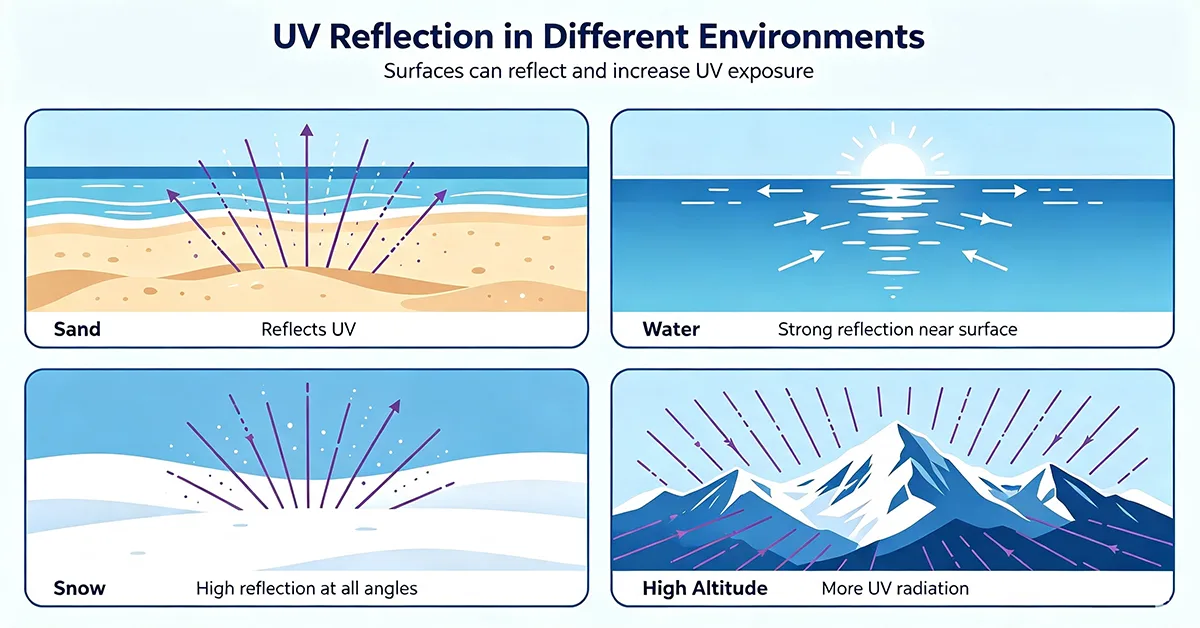
Clouds don’t block all UV Radiation. UV rays are reflected onto your skin and eyes by such as water, snow, sand and hard surfaces. UV exposure can also be stronger at higher altitudes.FDA
This means you can still burn while:
- Swimming
- Sitting under light cloud cover
- Skiing
- Hiking at high altitude
- Staying near sand or concrete
Do not judge UV strength by heat. Temperature and UV Index are different measurements.
Medicines Can Make Skin More Sensitive
Certain medicines and skin products may make your skin react more sensitively to the sunshine. This makes it photo-sensitive, or light-sensitive.
and it often reacts with: redness or even rash – or an exaggerated sunburn-type reaction.
Antibiotics, acne medicines, and other prescription medications can cause sun sensitivity. read product labels carefully or ask the doctor or pharmacist before taking a lot of amounts of sunlight.FDA
How to Protect Your Skin Outdoors
You do not need to avoid every outdoor activity. The goal is to enjoy the outdoors without using sunlight as a tanning tool.
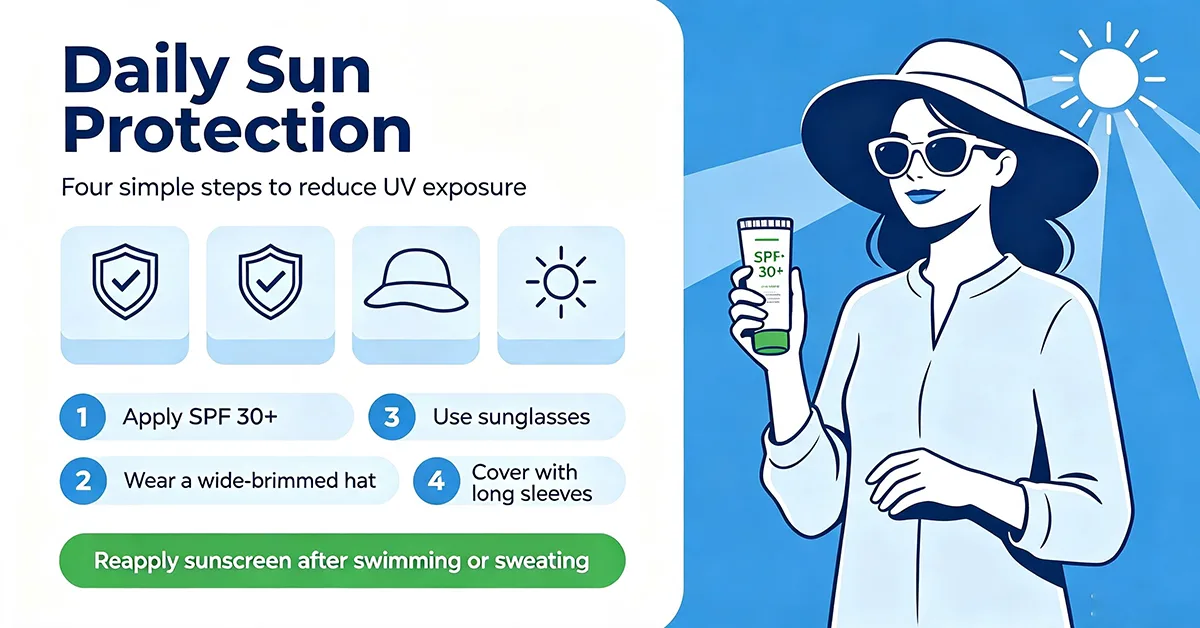
When the UV Index is 3 or higher:
- Use broad-spectrum, water-resistant SPF 30 or higher.
- Apply it to all uncovered skin.
- Reapply about every two hours.
- Reapply after swimming or heavy sweating.
- Wear a wide-brimmed hat and UV-protective sunglasses.
- Use clothing and shade.
- Reduce direct midday exposure.
The American Academy of Dermatology recommends broad-spectrum, water-resistant SPF 30 or higher and reapplication every two hours.AAD
Sunscreen should not be used to make intentional tanning last longer.
Are Tanning Beds Safer Than the Sun?
No. Tanning beds use intense, concentrated ultraviolet light. They can’t be used as a safe substitute for outdoor tanning.
According to the American Academy of Dermatology, tanning beds are not safer than natural sun exposure. Indoor tanning is associated with several forms of skin cancer.
People should stay away from tanning beds and sunlamps, particularly if they are under 18, take a photo-sensitive medicine or have had a prior cancer of the skin.
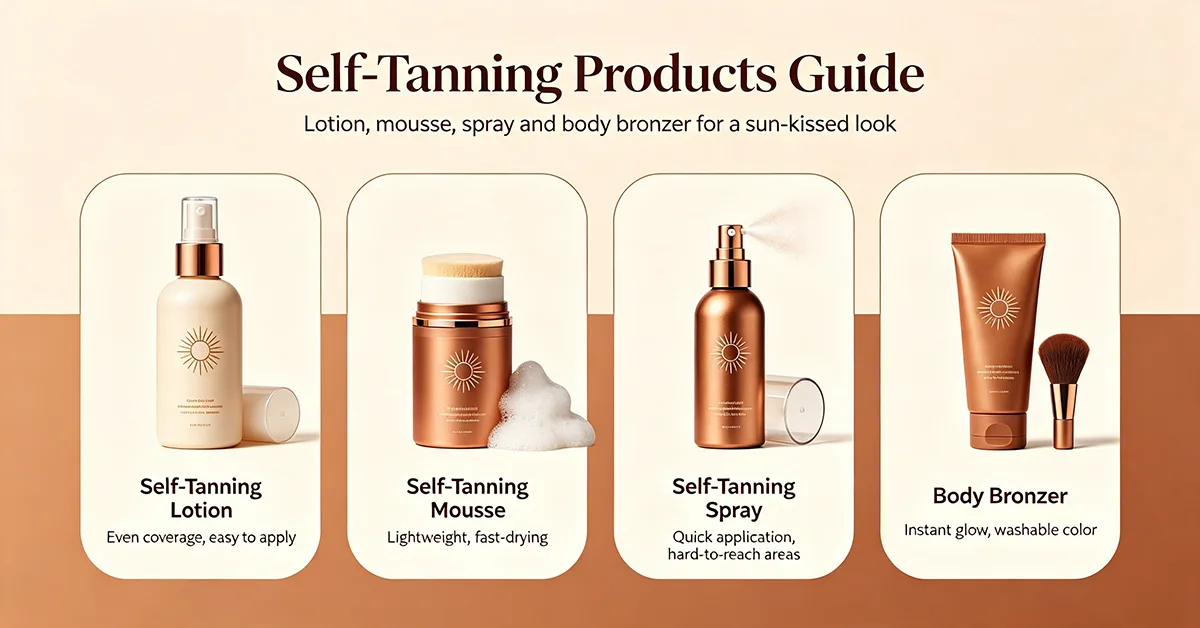
Safer Ways to Get a Tanned Look
some sunless tanning products are other ways to add color instead of UV radiation.
Common choices include:
- Self-tanning lotion
- Self-tanning mousse
- Bronzing drops
- Wash-off body makeup
- Professional spray tanning
Most self-tanners use an ingredient that colors the outer dead layer of skin. The color does not provide sun protection.
Continue using sunscreen after applying a self-tanner.
Frequently Asked Questions
Can you tan with a UV Index of 3?
Yes, some people can develop color at UV 3. However, UV 3 is also the level at which health agencies advise people to begin using sun protection. It should not be considered a safe tanning level.CDC
Is a UV Index of 4 good for tanning?
UV 4 may darken the skin, but it can also cause skin damage. Use sunscreen, shade and protective clothing rather than treating UV 4 as a tanning target.
Can you tan in UV 5?
Yes, tanning can happen at UV 5. Sunburn can also happen, especially on light or sensitive skin. There is no universal safe exposure time.
Can you tan when it is cloudy?
Yes. Clouds do not block all ultraviolet radiation. You can still tan, burn and receive long-term skin damage on a cloudy day.FDA
Does sunscreen stop you from tanning?
Sunscreen reduces the amount of UV radiation reaching the skin, but no sunscreen blocks every ray. Do not skip sunscreen to get a darker or faster tan.
What UV Index causes sunburn?
Sunburn can happen at different UV levels. Risk increases as the UV Index rises. Skin type, exposure time, altitude, reflection and medicine use can all change how quickly a person burns.
How long should I tan in UV 5?
There is no medically approved safe tanning time for UV 5. Exact online time charts cannot account for your skin, sunscreen use, location and changing weather.
Is a base tan protective?
A base tan is a sign of previous UV damage. It does not provide enough protection to replace sunscreen, clothing or shade.
Final Answer
So, what UV index is best for tanning?
No UV Index is completely safe for intentional tanning.
UV 3 to 5 can produce skin color, but it can also cause lasting damage. UV 6 and above creates a higher and faster risk. The safest way to get a tanned look is to use a sunless tanning product.
When you spend time outside, check the UV Index for protection—not for finding the fastest tanning time.