
As indoor air quality becomes a growing concern, many homeowners and businesses are exploring advanced solutions. One of the most discussed technologies is UV lighting integrated into HVAC systems. Understanding the pros and cons of UV light in HVAC is essential before deciding whether this technology is right for your environment.
UV (ultraviolet) light, particularly UVC, has the ability to inactivate microorganisms such as bacteria, mold, and viruses. When installed inside HVAC systems, it can help improve air hygiene and system performance. However, like any technology, it comes with both advantages and disadvantages.
How UV Light Works in HVAC Systems
To better evaluate the pros and cons of UV light in HVAC, it is important to understand how the technology works.
UV lights are typically installed in two main locations:
- Near the evaporator coil
- Inside air ducts
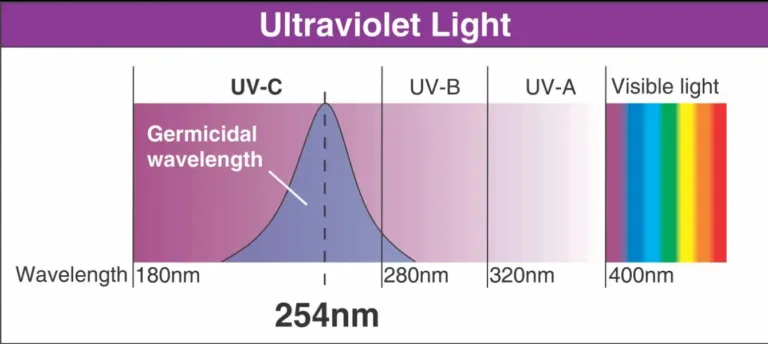
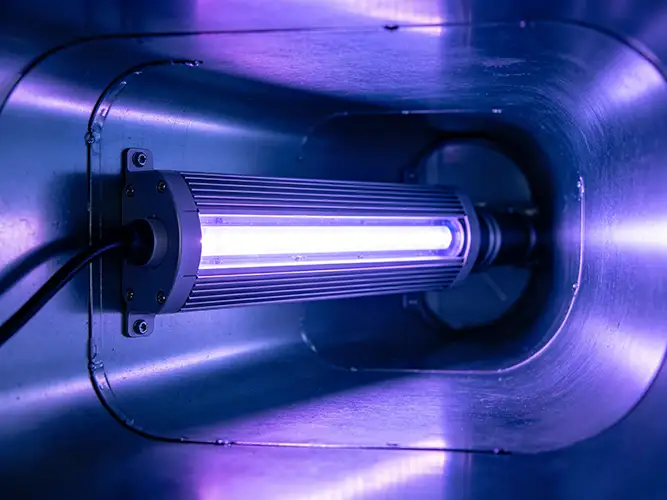
These systems emit UVC light that disrupts the DNA of microorganisms, preventing them from reproducing. Over time, this reduces microbial buildup within the HVAC system.


Key Advantages: Pros of UV Light in HVAC
When discussing the pros and cons of UV light in HVAC, it’s helpful to start with the benefits.
1. Improved Air Quality
One of the biggest advantages is cleaner indoor air. UV light helps reduce:
- Bacteria
- Viruses
- Mold spores
This makes it particularly useful in homes, hospitals, and offices.
2. Mold Prevention
HVAC systems often create moist environments, especially around coils. UV light can prevent mold growth, which is a major contributor to poor air quality.
3. Increased System Efficiency
Microbial buildup on coils can reduce heat transfer efficiency. By keeping coils clean, UV light helps:
- Improve airflow
- Maintain energy efficiency
- Reduce system strain


4. Reduced Maintenance Needs
By limiting biological growth, UV systems can reduce the frequency of cleaning and maintenance.
5. Odor Control
Microorganisms often cause unpleasant odors. UV light can help eliminate these at the source.
Key Disadvantages: Cons of UV Light in HVAC
To fully understand the pros and cons of UV light in HVAC, it’s equally important to examine the drawbacks.
1. Initial Installation Cost
UV systems require an upfront investment, including:
- Equipment cost
- Installation fees
This can be a barrier for some users.
2. Ongoing Maintenance
UV bulbs need periodic replacement (typically every 9–12 months), adding to long-term costs.
3. Limited Airborne Effectiveness
While UV light is effective on surfaces (like coils), its ability to disinfect fast-moving air is limited.
This is one of the most important points when evaluating the pros and cons of UV light in HVAC.
4. Safety Considerations
Direct exposure to UVC light can be harmful to skin and eyes. Proper installation and shielding are essential.


5. Not a Complete Air Purification Solution
UV light does not remove:
- Dust
- Allergens
- Particulate matter
It should be used alongside filters for best results.
Types of UV Systems in HVAC
When exploring the pros and cons of UV light in HVAC, different system types should be considered.
Coil Sterilization Systems
- Installed near coils
- Focus on surface disinfection
Air Sterilization Systems
- Installed in ducts
- Target airborne pathogens
Each type has different strengths and limitations.
Cost vs Benefit Analysis
A practical way to evaluate the pros and cons of UV light in HVAC is to compare cost and value.
Costs:
- Initial installation
- Bulb replacement
- Energy consumption
Benefits:
- Improved air quality
- Lower maintenance
- Energy efficiency
For many users, long-term benefits can outweigh initial costs.
When Is UV Light in HVAC Worth It?
Understanding the pros and cons of UV light in HVAC helps determine when it is worth the investment.
Best use cases:
- High humidity environments
- Buildings with mold issues
- Healthcare facilities
- Homes with allergy concerns
Less critical for environments with already excellent air filtration systems.
UV Light vs Other Air Purification Methods
To better understand the pros and cons of UV light in HVAC, compare it with other technologies:
| Method | Strength | Limitation |
|---|---|---|
| UV Light | Kills microorganisms | No particle removal |
| HEPA Filter | Removes particles | Does not kill microbes |
| Ionizers | Reduces particles | Mixed effectiveness |
Combining multiple technologies often delivers the best results.


Common Myths About UV HVAC Systems
“UV light cleans all air instantly”
Not true—contact time matters.
“It replaces filters”
Incorrect—it complements filtration systems.
“No maintenance required”
Bulbs must be replaced regularly.
FAQs About UV Light in HVAC
Is UV light safe in HVAC systems?
Yes, when properly installed and enclosed.
Does UV light eliminate viruses?
It can inactivate many viruses, depending on exposure.
How long do UV bulbs last?
Typically 9–12 months.
Can UV light reduce energy costs?
Yes, by keeping coils clean and efficient.
Conclusion
Evaluating the pros and cons of UV light in HVAC shows that this technology offers clear benefits, including improved air quality, mold prevention, and system efficiency. However, it also comes with limitations such as cost, maintenance, and limited effectiveness against airborne particles.
Ultimately, UV light works best as part of a comprehensive HVAC strategy rather than a standalone solution. By understanding the pros and cons of UV light in HVAC, you can make an informed decision and choose the right system for your needs.