If you spend time outdoors or work with ultraviolet light, you may wonder: what is UV eye damage? UV eye damage occurs when the eyes are exposed to excessive ultraviolet radiation, which can harm delicate eye tissues over time or even cause immediate injury.
Understanding what is UV eye damage is essential because the eyes are highly sensitive to UV exposure, and damage can accumulate silently without obvious symptoms at first.
Types of UV Radiation That Affect the Eyes
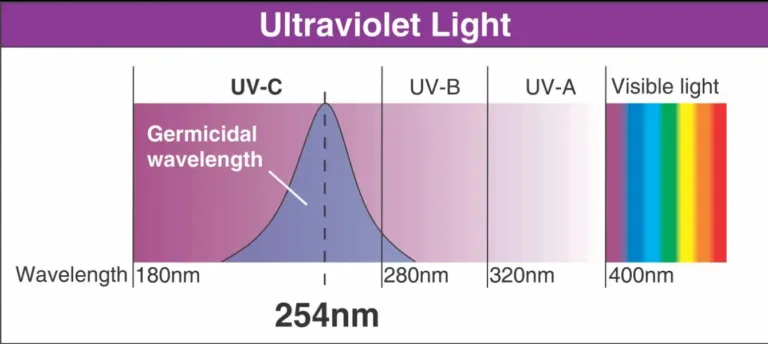
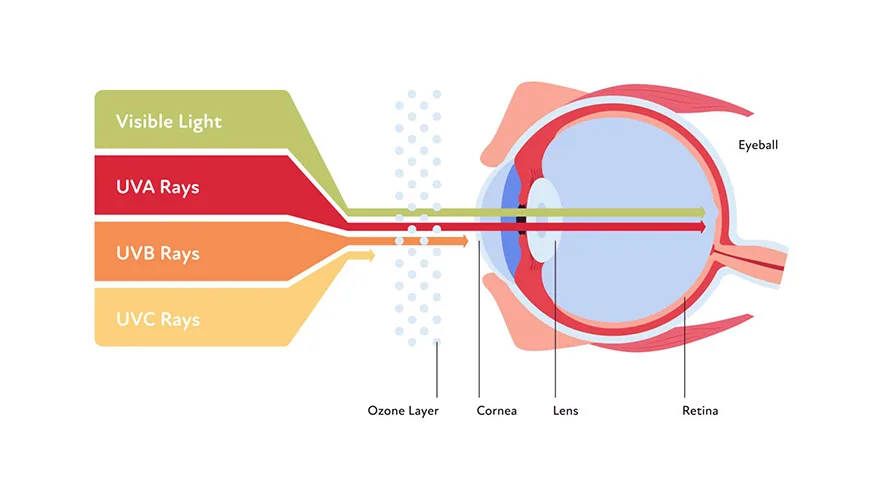
To fully understand what is UV eye damage, it’s important to recognize the different types of UV radiation:
- UVA (315–400 nm) – penetrates deep into eye tissues
- UVB (280–315 nm) – affects the surface of the eye
- UVC (100–280 nm) – mostly filtered by the atmosphere but dangerous in artificial sources
Each type contributes differently to what is UV eye damage, depending on exposure level and duration.
Common Types of UV Eye Damage
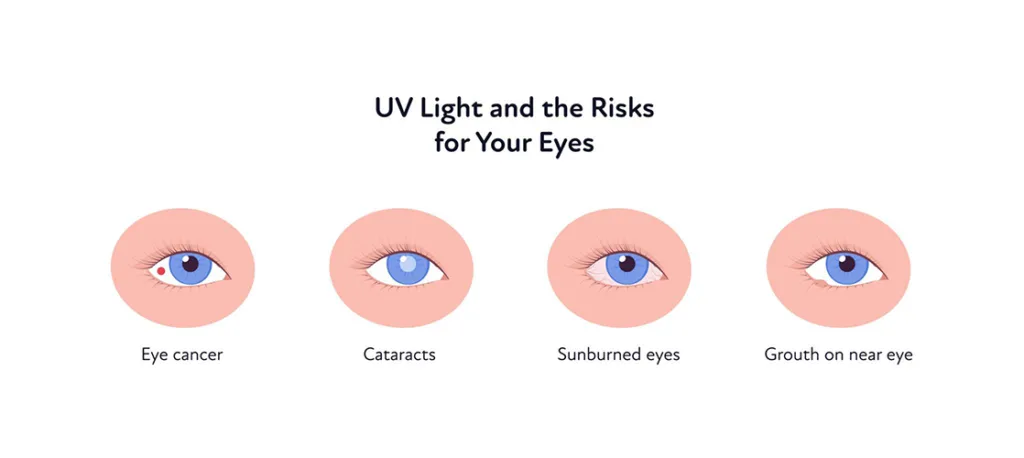
When asking what is UV eye damage, it includes several medical conditions:
1. Photokeratitis (UV Burn)
Often called “sunburn of the eye,” this condition results from intense UV exposure.
Symptoms:
- Pain
- Redness
- Tearing
- Sensitivity to light
2. Cataracts
Long-term UV exposure can cloud the eye’s lens, leading to vision impairment.
3. Pterygium
A growth on the eye surface caused by prolonged UV exposure.
4. Macular Degeneration
Damage to the retina that affects central vision.
These conditions illustrate why understanding what is UV eye damage is critical for eye health.
What Causes UV Eye Damage?
The main causes behind what is UV eye damage include:
- Prolonged exposure to sunlight
- Reflected UV from water, sand, or snow
- Artificial UV sources (e.g., welding arcs, UV lamps)
Even cloudy days can expose your eyes to UV radiation, making awareness of what is UV eye damage even more important.


Symptoms of UV Eye Damage
Recognizing symptoms helps identify what is UV eye damage early.
Short-term symptoms:
- Eye pain
- Redness
- Blurred vision
- Light sensitivity
Long-term symptoms:
- Gradual vision loss
- Persistent irritation
- Difficulty seeing clearly
Some damage occurs slowly, which is why understanding what is UV eye damage is essential for prevention.
How UV Light Damages the Eyes
UV radiation damages eye tissues by:
- Breaking down cellular structures
- Causing oxidative stress
- Damaging DNA in eye cells
This explains the biological mechanism behind what is UV eye damage and why repeated exposure is harmful.
Who Is at Risk?
Certain groups are more vulnerable when considering what is UV eye damage:
- Outdoor workers
- Athletes and beachgoers
- People in high-altitude or snowy regions
- Individuals using UV-emitting equipment
Children are also at higher risk because their eyes are more sensitive to UV radiation.
How to Prevent UV Eye Damage
Preventing what is UV eye damage is easier than treating it.
Key protection methods:
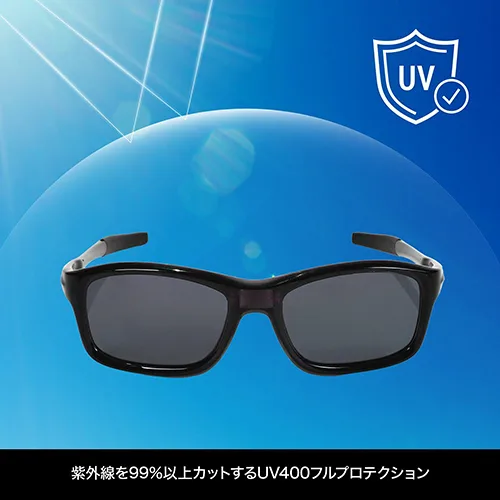
- Wear UV-blocking sunglasses (100% UVA/UVB protection)
- Use wide-brim hats
- Avoid direct exposure during peak hours
- Wear protective goggles when using UV equipment
Proper protection significantly reduces the risk of UV-related eye conditions.

UV Eye Damage from Artificial Sources
When discussing what is UV eye damage, artificial sources are often overlooked.
Examples include:
- UV sterilization lamps
- Welding equipment
- Tanning beds
These sources can emit concentrated UV radiation, increasing the risk of immediate damage.
Can UV Eye Damage Be Reversed?
Another common question related to what is UV eye damage is whether it can be reversed.
- Short-term damage (like photokeratitis) may heal
- Long-term damage (like cataracts) often requires medical treatment
Prevention remains the best strategy.
Common Myths About UV Eye Damage
“UV damage only happens on sunny days”
False—UV rays penetrate clouds.
“Regular sunglasses are enough”
Only sunglasses with UV protection are effective.
“Eyes don’t get sunburned”
They can—this is part of what is UV eye damage.
FAQs About UV Eye Damage
What is UV eye damage in simple terms?
It is harm caused to the eyes by ultraviolet radiation.
Can UV light permanently damage eyes?
Yes, especially with long-term exposure.
How quickly can UV eye damage occur?
It can happen within hours under intense exposure.
Are indoor UV sources dangerous?
Yes, especially without proper protection.
Conclusion
So, what is UV eye damage? It is a serious condition caused by exposure to ultraviolet radiation that can affect both short-term comfort and long-term vision health.
From photokeratitis to cataracts, the effects of UV exposure can be significant. By understanding what is UV eye damage and taking preventive measures, you can protect your eyes and maintain healthy vision for years to come.