When people ask what is good UV rays for tanning, they are usually trying to understand which type of ultraviolet light helps achieve a natural tan while minimizing skin damage. Ultraviolet (UV) radiation from the sun or artificial sources is divided into UVA, UVB, and UVC, but only UVA and UVB reach the Earth’s surface and affect the skin.
Understanding what is good UV rays for tanning is essential if you want a balanced approach between achieving a tan and protecting your skin health.
Understanding UV Rays and Their Effects on Skin
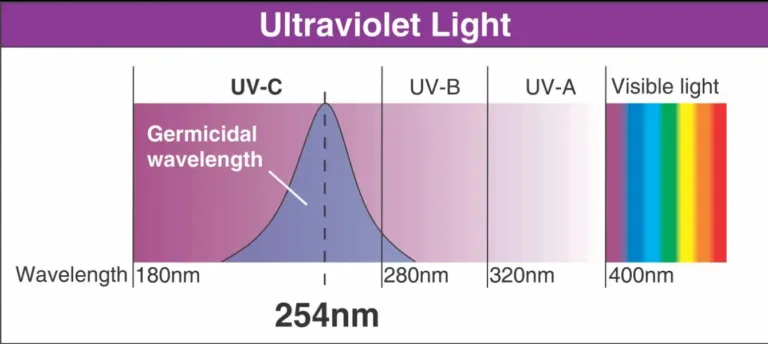
Ultraviolet radiation consists of different wavelengths:
- UVA (315–400 nm) – penetrates deep into the skin
- UVB (280–315 nm) – affects the outer skin layers
- UVC (100–280 nm) – absorbed by the atmosphere
When discussing what is good UV rays for tanning, UVA and UVB are the most relevant.

Why UVA Rays Are Considered Good for Tanning
If you are wondering what is good UV rays for tanning, the answer is usually UVA rays.
UVA rays:
- Penetrate deeper into the skin
- Stimulate melanin production
- Create a longer-lasting tan
- Cause less immediate sunburn compared to UVB
Because of these characteristics, UVA is commonly used in tanning beds and controlled tanning environments.
However, even though UVA is often considered when discussing what is good UV rays for tanning, prolonged exposure can still lead to skin aging and damage.
Role of UVB Rays in Tanning
UVB rays also play a role when considering what is good UV rays for tanning, but their function is different.
UVB rays:
- Stimulate melanin production indirectly
- Cause sunburn
- Trigger Vitamin D production
While UVB contributes to the tanning process, too much exposure can damage the skin. Therefore, a balanced combination of UVA and limited UVB is often considered ideal.


UVA vs UVB: Which Is Better?
When evaluating what is good UV rays for tanning, comparing UVA and UVB helps clarify:
| Feature | UVA | UVB |
|---|---|---|
| Skin penetration | Deep | Surface |
| Tanning effect | Strong | Moderate |
| Sunburn risk | Lower | Higher |
| Long-term effects | Aging | Burning |
In most cases, UVA is considered more suitable when answering what is good UV rays for tanning, but it should always be used responsibly.
Safe Tanning Practices
Knowing what is good UV rays for tanning is only part of the equation. Safety is equally important.
Tips for safe tanning:
- Limit exposure time
- Use sunscreen with balanced UVA/UVB protection
- Avoid peak sunlight hours
- Stay hydrated
- Gradually build exposure
Even if you understand what is good UV rays for tanning, overexposure can lead to skin damage.

Common Misconceptions About Tanning
“UVA is completely safe”
Not true. While often associated with what is good UV rays for tanning, UVA can still cause long-term skin damage.
“Faster tanning means better results”
Rapid exposure increases risk without improving quality.
“Indoor tanning is safer”
Artificial UV sources still emit UVA and UVB and require caution.
Is There a Perfect UV Ray for Tanning?
There is no completely “safe” UV ray, but when asking what is good UV rays for tanning, the general consensus is:
- UVA for tanning effect
- Minimal UVB for balance
The key is controlled exposure and proper protection.
Conclusion
So, what is good UV rays for tanning? UVA rays are generally considered the most effective for achieving a tan because they penetrate deeper into the skin and stimulate melanin production. However, UVB also plays a supporting role.
The best approach is a balanced and controlled exposure, combined with proper skin protection. Understanding what is good UV rays for tanning allows you to achieve better results while minimizing risks.