A UV water purifier uses ultraviolet light (UVC) to kill bacteria and viruses in water. When choosing a LED UV water purifier for home, consider wavelength, flow rate, power, and system design to ensure safe and effective disinfection.
What Is a UV Water Purifier?
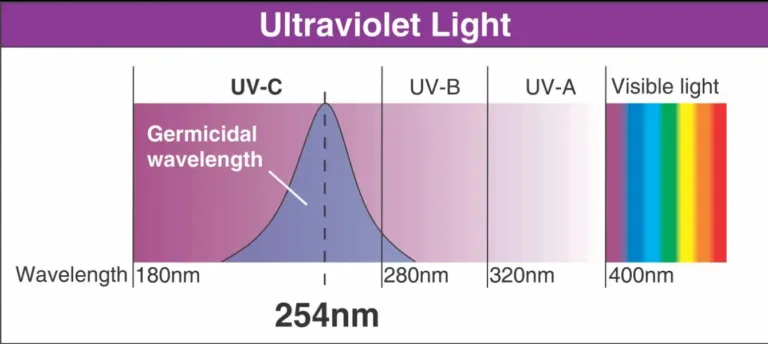
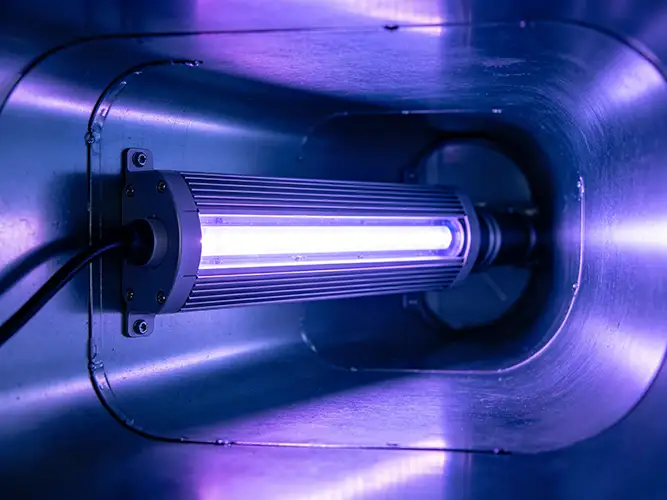
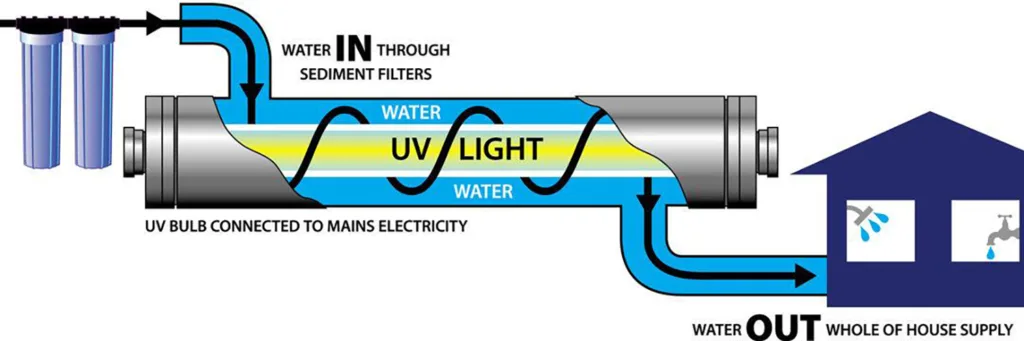
A ultraviolet water purifier uses ultraviolet light—typically in the UVC range (254nm or 265–280nm for LED)—to destroy harmful microorganisms such as bacteria, viruses, and protozoa.
Unlike filtration systems, UV purification does not remove particles but instead inactivates pathogens by damaging their DNA, preventing them from reproducing.
Why Choose LED UV Water Purifier?
Traditional UV systems use mercury lamps, while newer systems use UV LED technology. LED UV water purifiers offer several advantages:
- Instant on/off (no warm-up time)
- Compact size for home use
- Lower energy consumption
- Mercury-free and environmentally friendly
- Longer lifespan
These benefits make LED systems ideal for modern residential applications.
Key Factors to Consider When Choosing a UV Water Purifier
1. Wavelength (Critical Factor)
The effectiveness of a ultraviolet water purifier depends heavily on wavelength.
- 254nm (lamp-based) – widely used
- 265–280nm (LED) – optimal germicidal range
Choose systems specifically designed for UVC disinfection, not UVA.
2. Flow Rate and Water Volume
Every UV system has a maximum flow rate it can handle. If water flows too quickly, microorganisms may not receive enough UV exposure.
- Small households: 1–2 GPM
- Larger homes: 3–5 GPM
Always match the purifier capacity to your daily water usage.
3. UV Intensity and Power
Higher UV intensity ensures better disinfection. Look for:
- Certified output levels
- Stable performance over time
- Proper optical design
For LED systems, power and chip quality directly affect performance.
4. Pre-Filtration Requirements
UV purification works best with clear water. Suspended particles can block UV light.
Recommended setup:
- Sediment filter
- Activated carbon filter
This ensures maximum efficiency of the uv water purifier.
LED UV vs Traditional UV Lamp
| Feature | LED UV Water Purifier | Traditional UV Lamp |
|---|---|---|
| Warm-up time | Instant | Required |
| Lifespan | Longer | Shorter |
| Environmental impact | Mercury-free | Contains mercury |
| Size | Compact | Larger |
| Maintenance | Lower | Higher |
LED UV systems are increasingly preferred for residential use due to convenience and sustainability.
Safety and Installation Considerations
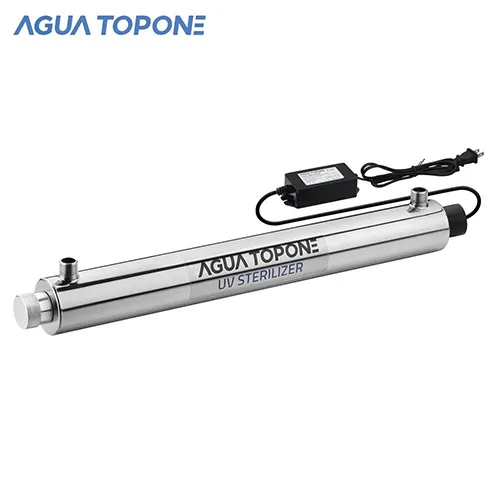
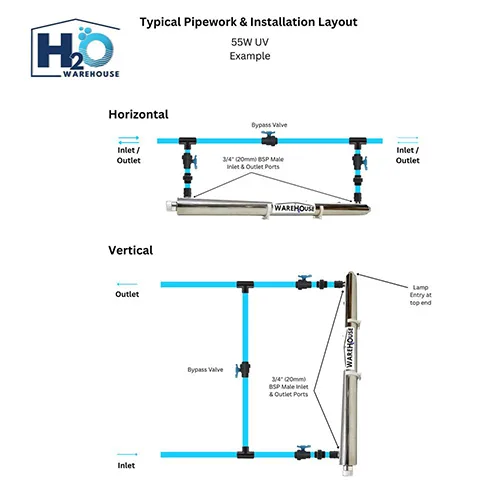
When installing a ultraviolet water purifier, ensure:
- Proper sealing to prevent UV leakage
- Correct installation in the water line
- Regular maintenance and inspection
Modern systems are designed for safe operation, especially when enclosed.
Benefits of Using a ultraviolet Water Purifier at Home
A ultraviolet water purifier offers multiple advantages:
- Chemical-free water disinfection
- Effective against bacteria and viruses
- No change in taste or odor
- Low operating cost
- Continuous protection
It is an excellent solution for improving household water safety.
Common Mistakes to Avoid
When choosing a UV system, avoid:
- Selecting non-UVC products
- Ignoring flow rate limitations
- Skipping pre-filtration
- Choosing low-quality LED modules
Proper selection ensures long-term performance.
FAQs About UV Water Purifier
Is ultraviolet water purifier safe for home use?
Yes, when properly installed, it is safe and widely used in residential systems.
Does UV purification remove chemicals?
No. It only kills microorganisms. Use filters for chemical removal.
How often should I maintain the system?
Regular inspection and filter replacement are recommended.
Conclusion
Choosing the right uv water purifier for home involves understanding wavelength, flow rate, system design, and installation requirements. LED UV water purifiers offer a modern, efficient, and environmentally friendly solution for ensuring safe drinking water.
By selecting a high-quality system tailored to your needs, you can enjoy reliable and long-lasting water disinfection for your home.