uv light emitter 420nm
Product Details Description
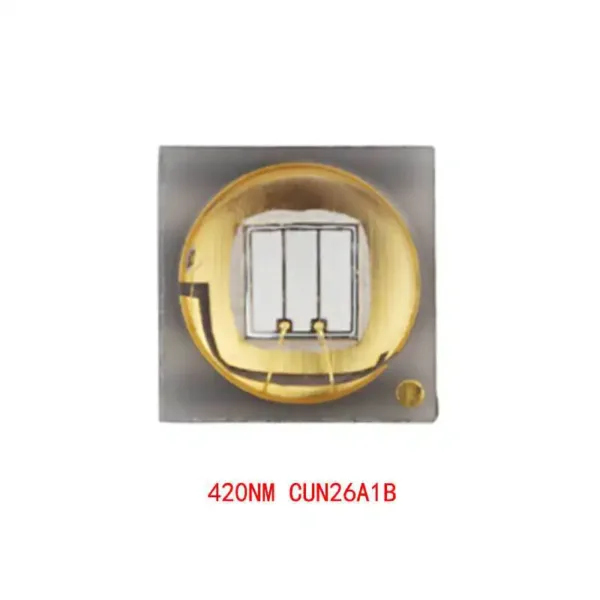
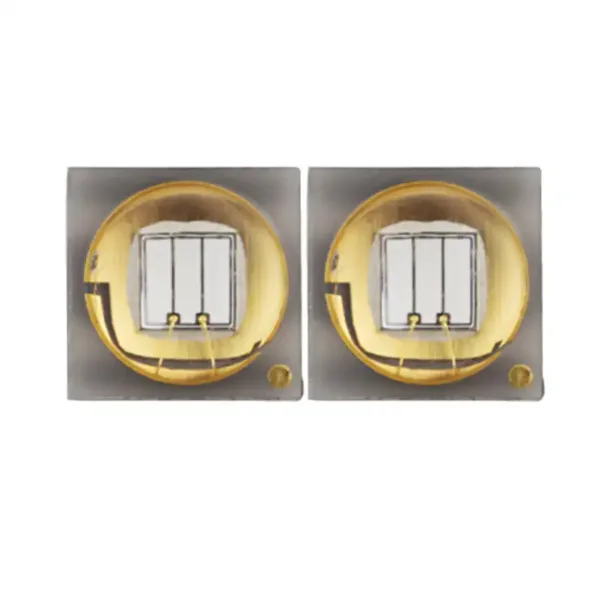
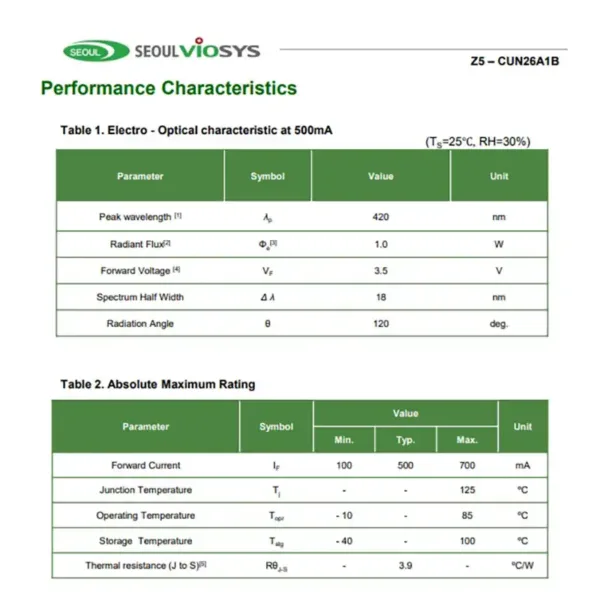
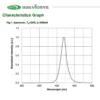
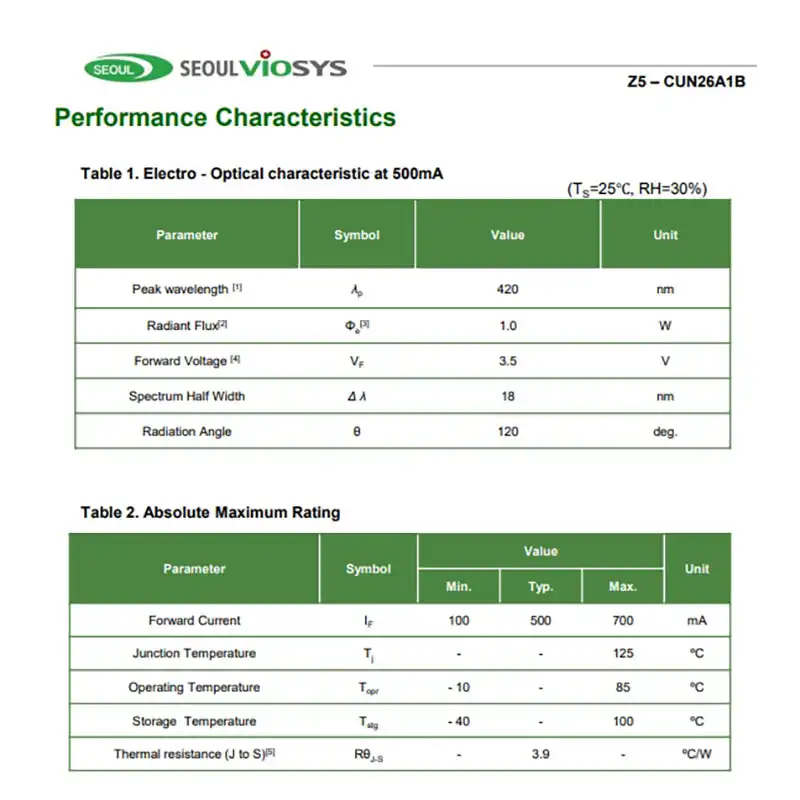
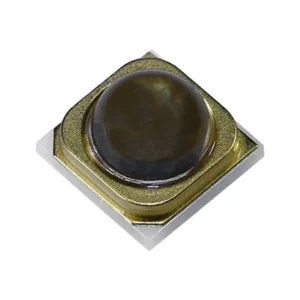
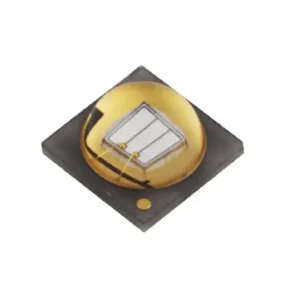
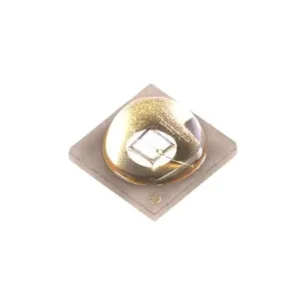
The Seoul Viosys CUN26A1B is a high power uv light emitter that features a 420nm near-UV and violet-border wavelength that requires wide beam coverage, small form factor, and compact SMD module design. With 420nm wavelength, 1000mW radiant power, 3.5V voltage, 500mA current, and 120° view angle, it is ideal for manufacturers designing UV curing tools, printing machines, coating machines, inspection lamps, UV torch devices, and customized UV LED modules.
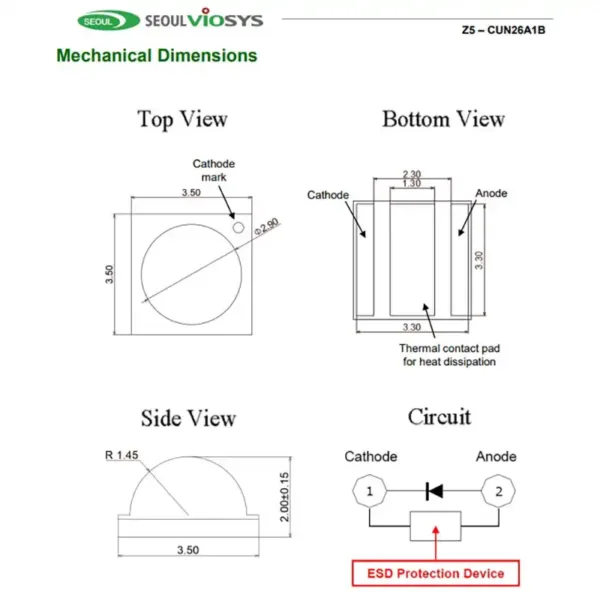
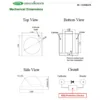
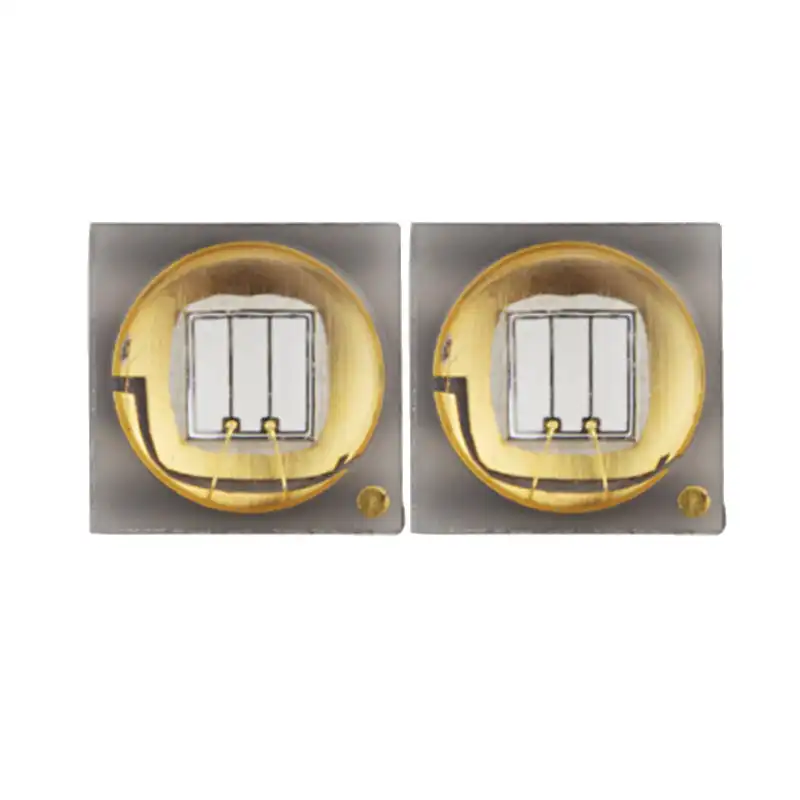
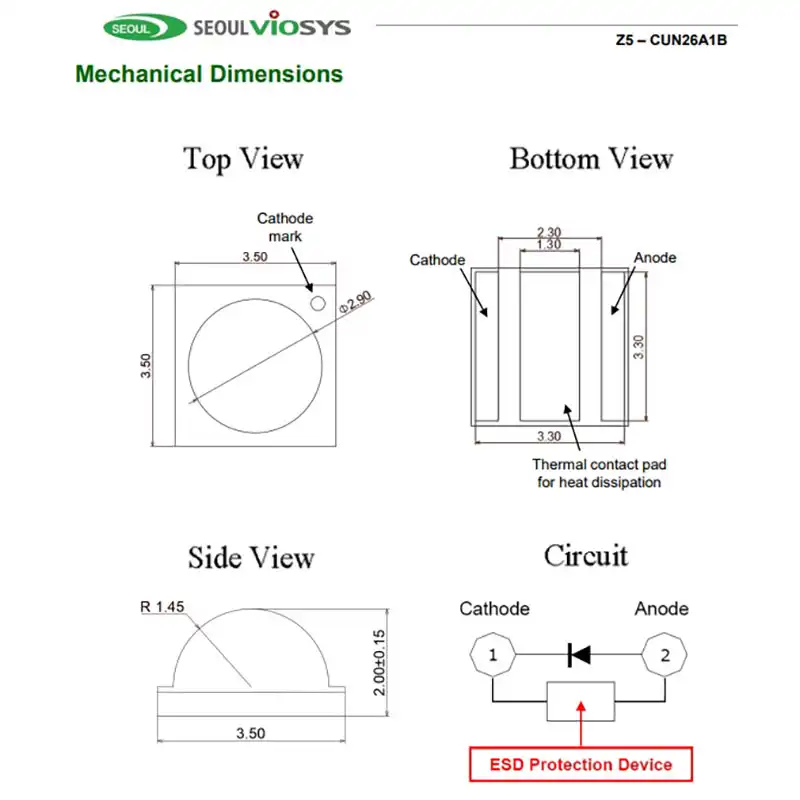
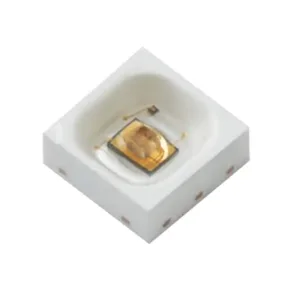
The uv light emitter is one of the most recent products of the Seoul Viosys Z5 NUV LED series. It is designed for high current usage and high-power applications and features an advanced SMD design and low thermal resistance material. The 3.5 x 3.5 x 2.0mm package makes it a good choice for compact designs of light engines, handheld products, and industrial UV-related assemblies.
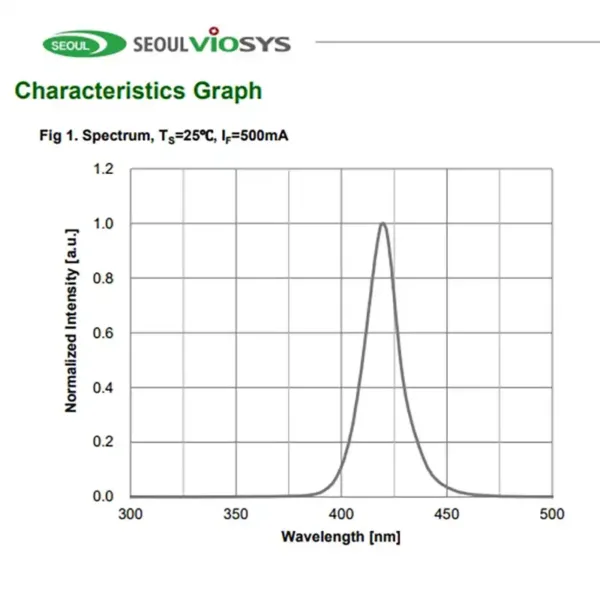
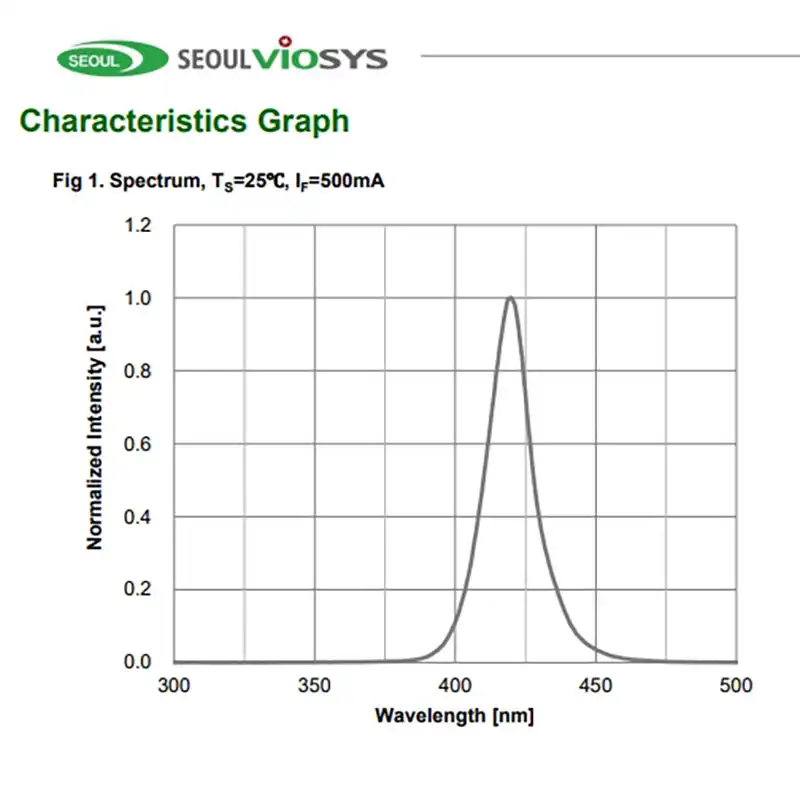
The 420nm wavelength is located on the violet side of the visible spectrum and is used for applications that require both visible violet light and near-UV wavelength. Comparing with 365nm or 385nm UV LEDs, 420nm usually offers higher visible violet light output and helps operators see better alignment, coverage area, and UV-reaction.
For curing and manufacturing applications, the uv light emitter can be applied to the design of UV curing modules, printing machines, coating systems, adhesive curing modules, and dental curing machines when the material responds to the 420nm output. Its final performance depends on material chemistry, distance to the material, driver current, optical design, PCB temperature, and necessary UV dose.
The 120° wide beam makes this UV light emitter a good choice for applications that require wide beam coverage instead of a small spot. It differs from 45° narrow-beam emitters that focus output on the smaller target. This wide beam design can be good for curing panels, printing paths, inspection lamps, fluorescence area, and wide-angle UV torch modules.
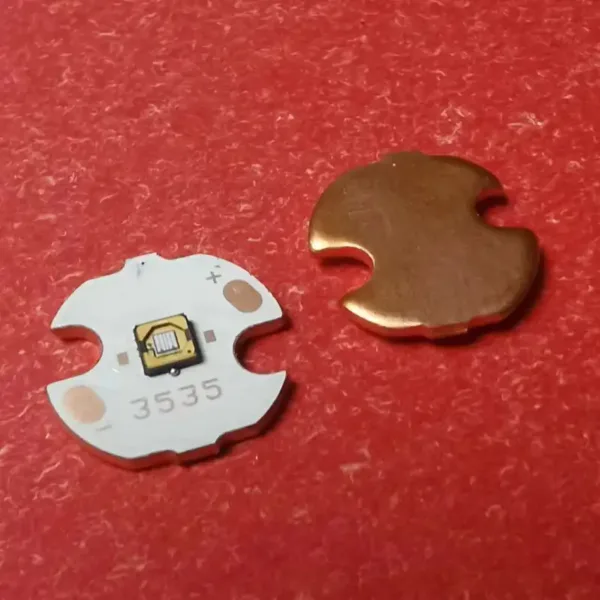
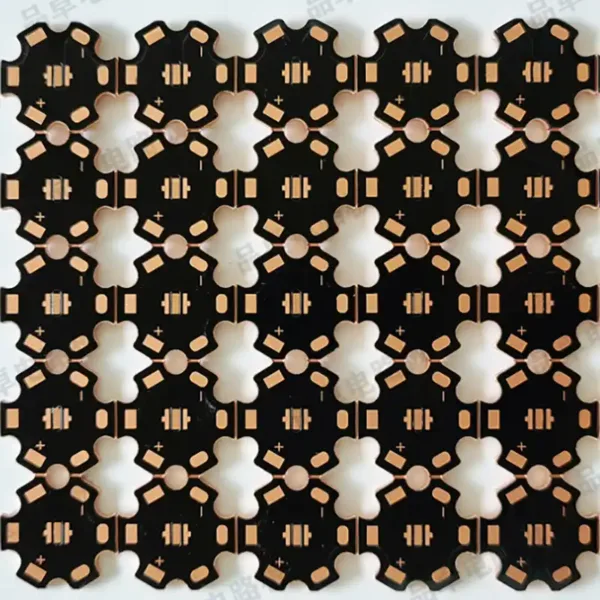
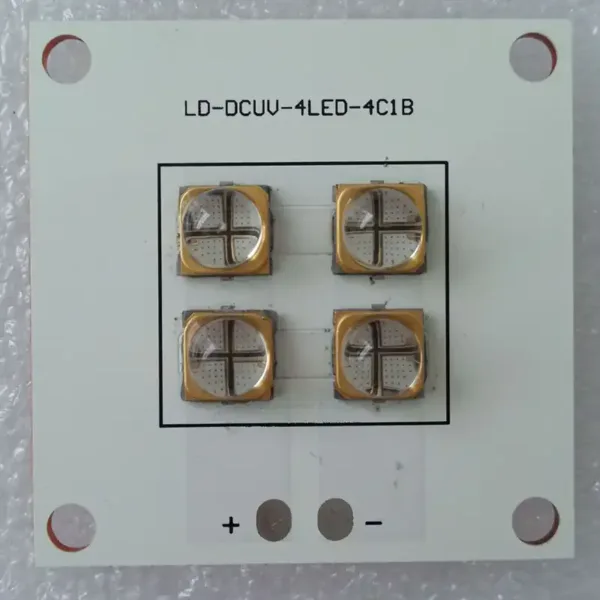
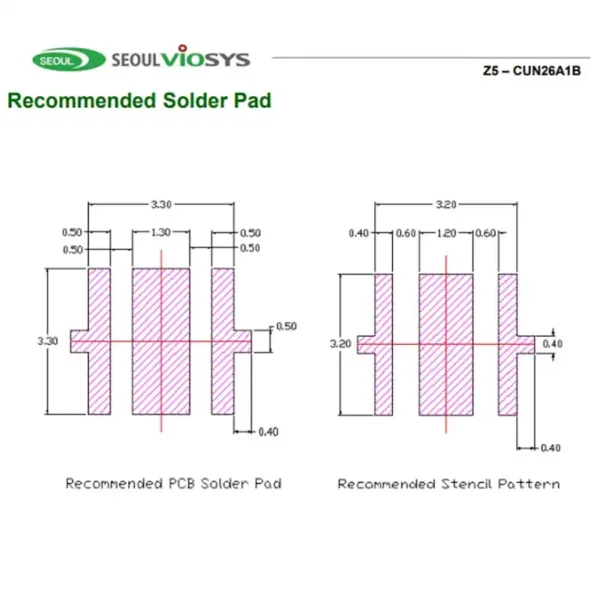
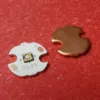
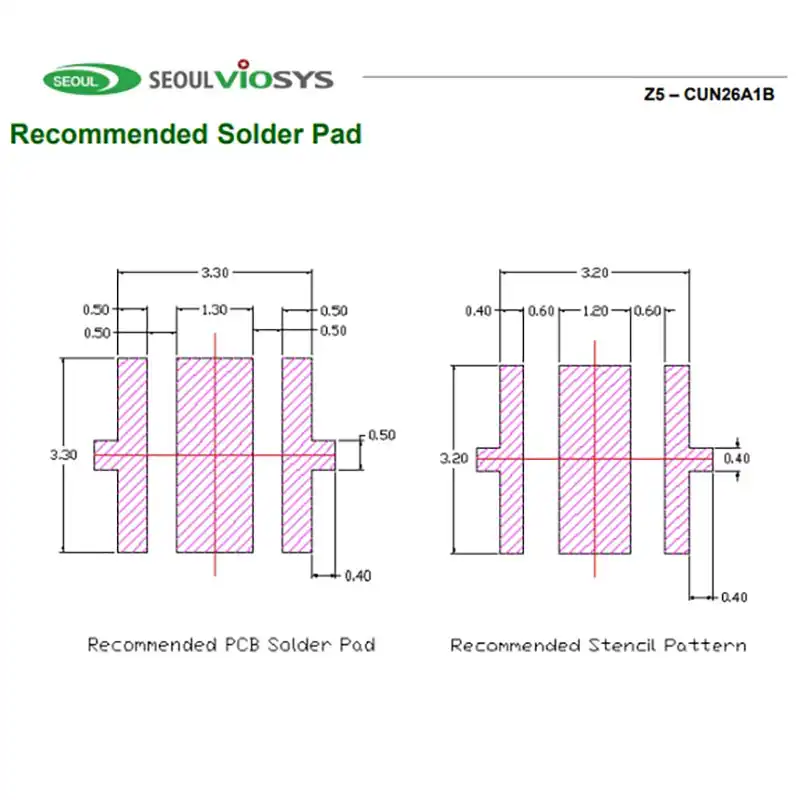
For OEM and ODM projects, the uv light emitter can be attached to 12mm, 14mm, 16mm, 20mm, or other aluminum or copper PCB boards. Aluminum PCB can be used in case of most standard UV module designs, but copper PCB can be chosen in case when additional thermal transfer is needed. The LED can be delivered as a part or assembled in UV flashlight modules, curing modules, inspection lamps, and customized UV LED products.
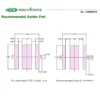
Thermal design is important for a 500mA high-output LED. For stable radiation output and long-lasting performance, the user needs to apply the right constant-current driver, right soldering, right PCB material, and sufficient heat dissipation. An engineer needs to verify board temperature, radiation output, beam spread, and application performance in the final product before mass production.
This product is a UV LED component, not a finished lamp. A finished device needs to have a driver circuit, PCB board, heat sink, housing, optical lens or reflector, wiring, switch, and safe structure. The CUN26A1B is a 420nm near-UV / violet-border light source, not a UVC sterilization LED and must not be advertised for disinfection or germicidal applications.
Do not look directly on the operating LED and try to minimize skin or eye exposure during testing and assembling. Protective eyewear, shielding, warning labels, and safe working practices need to be considered in the final product design.
Specifications
Brand: Seoul Viosys
Model NO.: CUN26A1B
Wavelength: 420nm uv light emitter
Size: 3.5 x 3.5 x 2.0mm
Voltage: 3.5V
Current: 500mA
Radiant Power: 1000mW
View Angle: 120°
PCB Options: Can be welded on 12mm, 14mm, 16mm, 20mm, or other aluminum or copper PCB board
Service: OEM ODM service for UV flashlight or other UV LED module
Features and Benefits
High power output
Designed for high current operation
Low thermal resistance
SMT type
Lead free product
RoHS compliant
Z5 NUV LED package
Wide 120° output for broad module coverage
Key Applications
UV Curing
Printing
Coating
Adhesive
Counterfeit Detection / Security
UV Torch
Fluorescence Photography
Dental Curing
Crime Inspection
Oil Leak Detection
FAQ
What is this uv light emitter used for?
This uv light emitter is used for UV curing, printing, coating, adhesive curing, counterfeit detection, security inspection, UV torch design, fluorescence photography, dental curing, crime inspection, and oil leak detection when the target material or application responds to 420nm output.
Is CUN26A1B a Seoul Viosys UV LED?
Yes. CUN26A1B is a Seoul Viosys Z5 NUV LED in a 3.5 x 3.5 x 2.0mm SMD package.
What wavelength does this LED use?
The CUN26A1B uses a 420nm wavelength. It is best described as a near-UV / violet-border light source.
What is the radiant power?
The radiant power is 1000mW.
What is the forward voltage?
The forward voltage is 3.5V.
What is the operating current?
The operating current is 500mA.
What is the package size?
The package size is 3.5 x 3.5 x 2.0mm.
What is the view angle?
The view angle is 120°, giving this uv light emitter a wide beam for curing, printing, inspection, UV torch, and detection applications.
Can this LED be mounted on PCB boards?
Yes. It can be welded on 12mm, 14mm, 16mm, 20mm, or other aluminum or copper PCB boards according to the final product structure.
Do you provide OEM or ODM UV LED modules?
Yes. OEM and ODM service is available for UV flashlight modules, UV curing modules, inspection lights, dental curing modules, and customized UV LED assemblies.
Is this LED suitable for UV curing?
Yes. It can be used for curing, adhesive curing, printing, coating, dental curing, and related applications when the material responds to 420nm output.
Can it be used for UV flashlights?
Yes. Its 420nm wavelength, 1000mW radiant power, and 120° beam angle make it suitable for wide-angle UV flashlight and UV torch module designs.
Is this uv light emitter suitable for sterilization?
No. This is a 420nm near-UV / violet-border LED, not a UVC sterilization LED. It must not be used or advertised for disinfection or germicidal applications.
Why is thermal design important?
The CUN26A1B operates at 500mA and produces high radiant output, so proper PCB material, heat sinking, current control, and thermal testing are important for stable module performance.
Is it safe to look directly at the LED?
No. Do not look directly at the operating LED. Use protective eyewear, shielding, and safe working practices during testing, assembly, and operation.


Reviews
There are no reviews yet.