Tel:86-13421392566
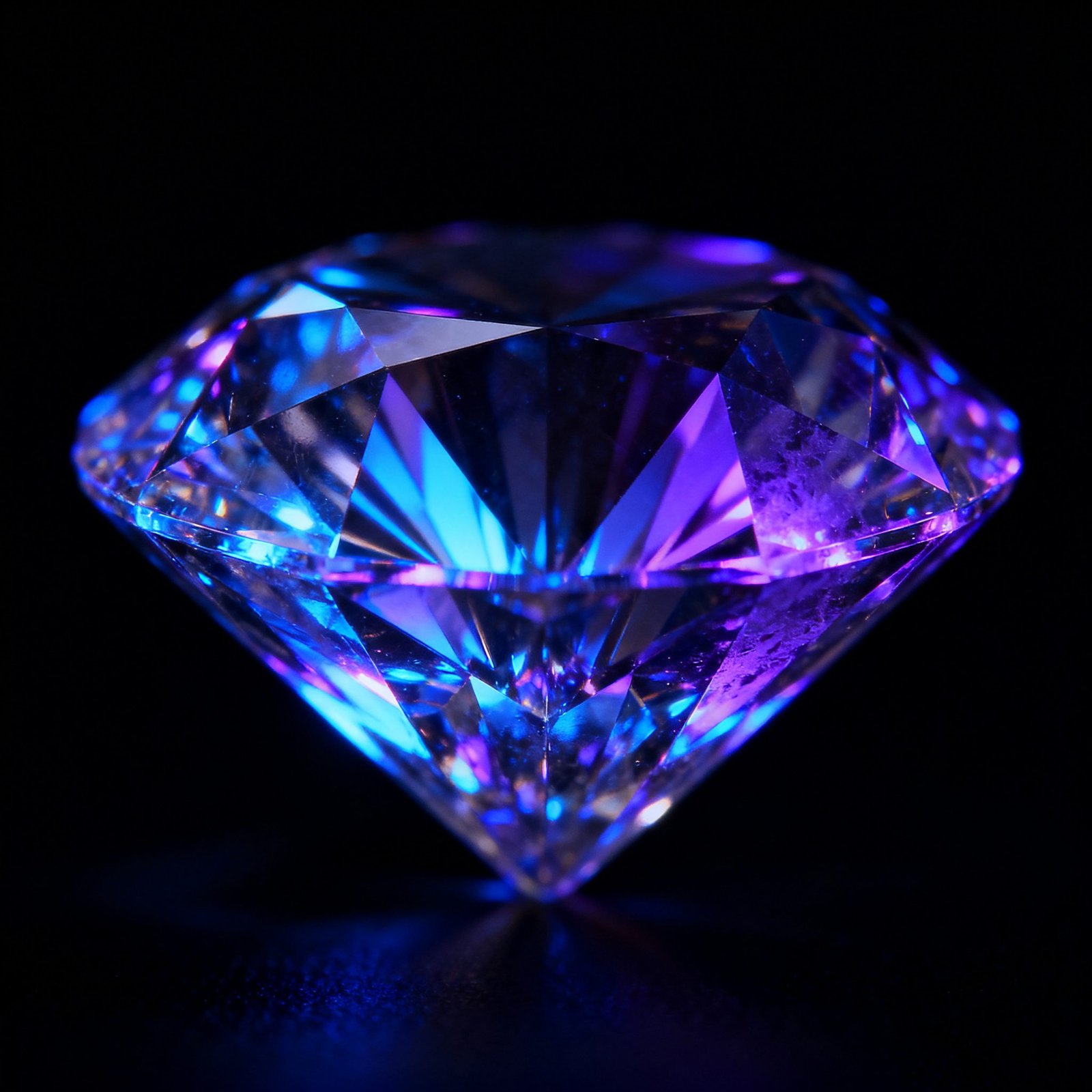
Diamonds have fascinated humans for centuries with their brilliance, rarity, and symbolism. But beyond their sparkle under normal lighting, diamonds have another intriguing characteristic: they react to UV (ultraviolet) light in surprising ways. Understanding diamonds under UV light not only helps gemologists and jewelers in identification but also fascinates collectors and consumers who want to learn what makes their diamond unique.
In this article, we will explore everything you need to know about diamonds under UV light—from fluorescence to authenticity testing, grading, and market perception.
What Does UV Light Reveal About Diamonds?
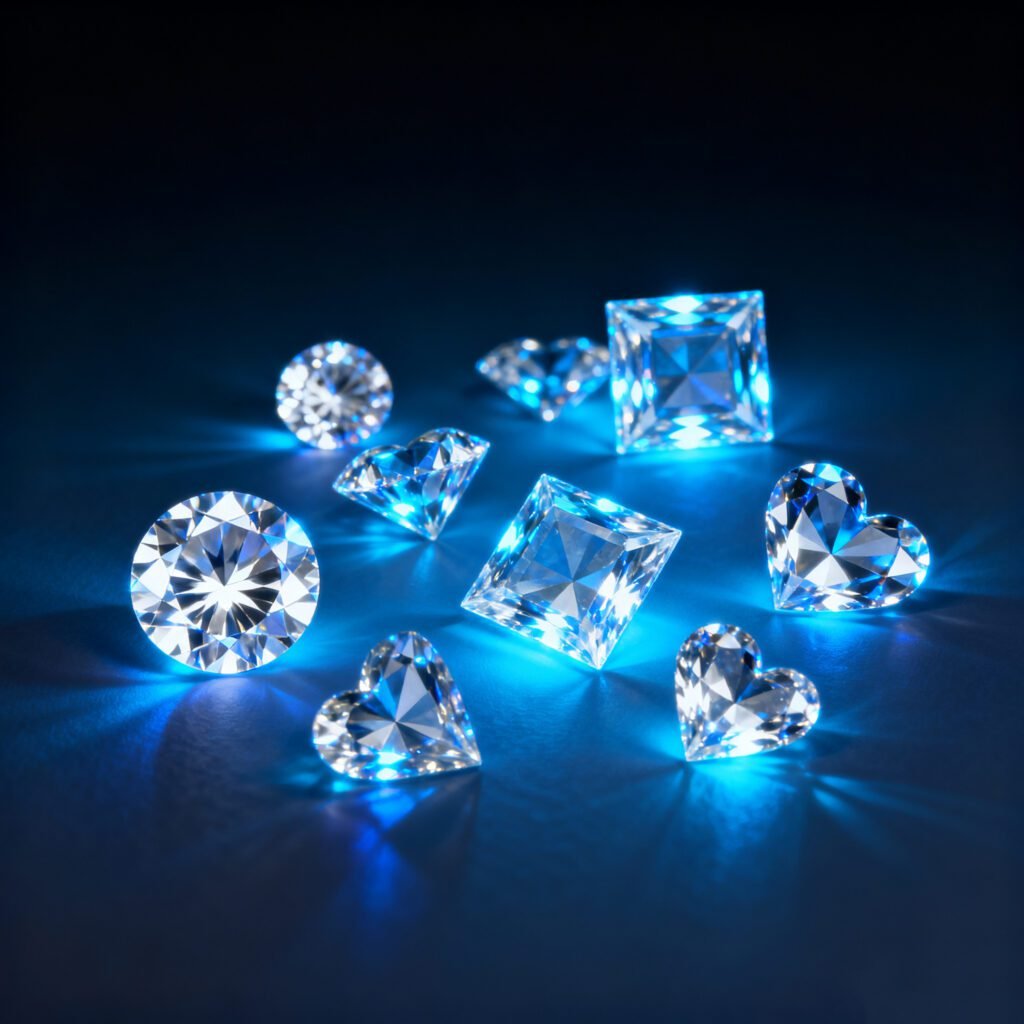
When exposed to UV light, some diamonds emit a visible glow known as fluorescence. This phenomenon occurs because UV radiation excites electrons inside the diamond’s crystal lattice, releasing energy in the form of visible light.
- About 25–35% of natural diamonds show some degree of fluorescence.
- The most common color is blue fluorescence, though yellow, orange, white, and green also occur.
- Fluorescence is usually visible under short-wave or long-wave UV lamps, such as those used in gem labs.
Understanding how diamonds behave under UV light is essential for gem identification, grading, and value assessment.
Diamonds Under UV Light: The Science of Fluorescence
How Does Diamond Fluorescence Work?
When a diamond is exposed to UV radiation:
- Energy absorption: UV light excites trace elements (like nitrogen or boron) within the diamond.
- Electron transition: The excited electrons return to a stable state.
- Light emission: This energy is released as visible light—what we see as fluorescence.
The strength of fluorescence varies:
- None: Diamond remains dark under UV.
- Faint: Very light glow, barely noticeable.
- Medium: Noticeable but not strong.
- Strong: Easily visible under UV.
- Very Strong: Bright glow that is clearly seen even in daylight conditions.
Why Do Some Diamonds Fluoresce?
The presence of impurities in the diamond structure explains fluorescence. For example:
- Nitrogen impurities → often cause blue fluorescence.
- Other trace elements → may cause yellow, green, or orange fluorescence.
This natural phenomenon gives each diamond a unique fingerprint.
Types of UV Light Used to Examine Diamonds
Gemologists examine diamonds under UV light using two main types of UV radiation:
Long-Wave UV (LWUV, ~365 nm)
- Commonly used in gem testing.
- Makes fluorescence visible in dark rooms.
- Often used in jewelry stores with UV flashlights.
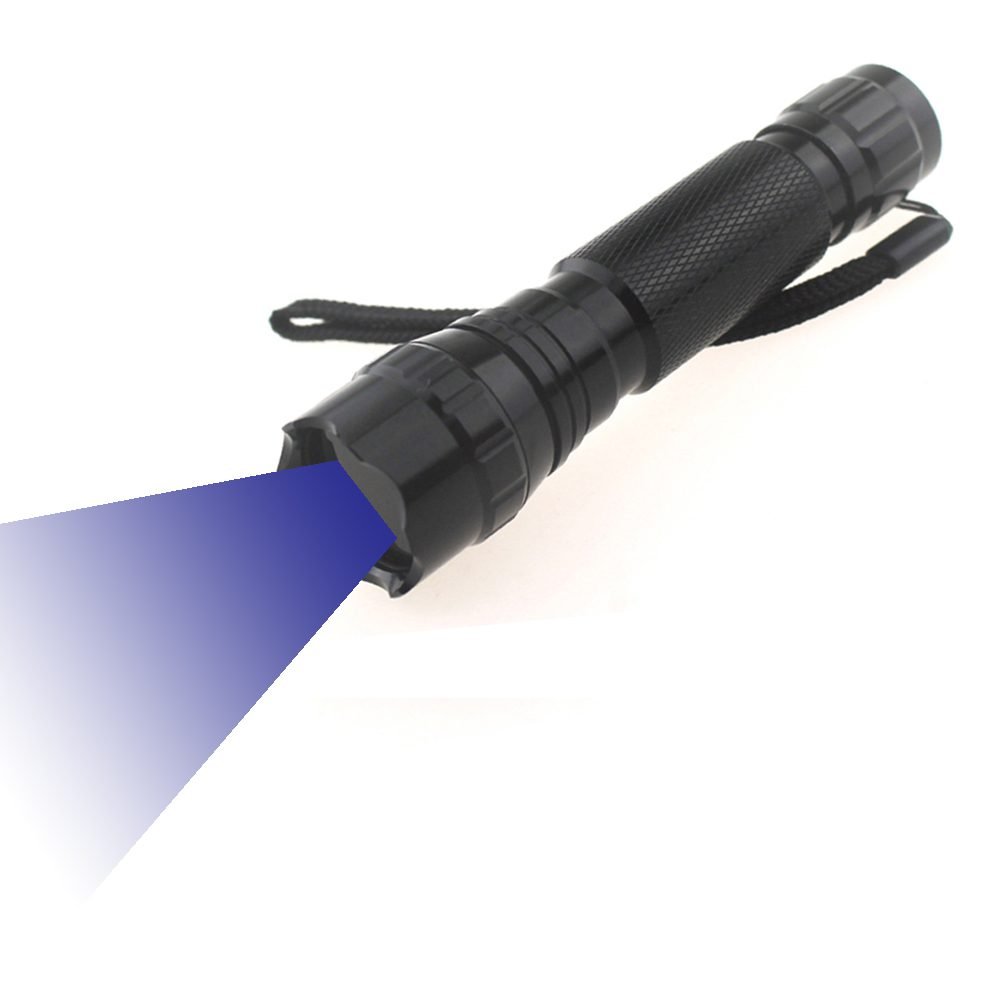
Short-Wave UV (SWUV, ~254 nm)
- Higher energy than long-wave UV.
- Reveals more detailed fluorescence reactions.
- Used in laboratories for authentication and grading.
By observing how diamonds under UV light respond in both LWUV and SWUV, experts can distinguish natural from synthetic diamonds.
Diamonds Under UV Light: Fluorescence Colors
Not all diamonds fluoresce the same way. The most common colors observed in diamonds under UV light include:
- Blue fluorescence: Most common, caused by nitrogen impurities.
- Yellow fluorescence: Caused by different lattice defects.
- Green fluorescence: Rare, linked to radiation exposure.
- Orange or white fluorescence: Less common but possible in certain stones.
Which Color is Most Valuable?
- Blue fluorescence is usually the most desirable, as it can make slightly yellow diamonds appear whiter in daylight.
- Strong yellow or orange fluorescence may negatively affect appearance, making diamonds look hazy or oily.
Benefits of Studying Diamonds Under UV Light
Studying diamonds under UV light provides several practical benefits for gemologists, jewelers, and buyers:
- Authentication: Helps separate natural from synthetic or treated diamonds.
- Grading: Some labs include fluorescence strength on certificates.
- Identification: Unique fluorescence can help identify individual stones.
- Aesthetic effect: In some cases, fluorescence enhances beauty.
Diamonds Under UV Light vs. Fake Diamonds
A key reason to examine diamonds under UV light is to identify fakes.
Moissanite Under UV Light
- Moissanite often shows greenish or yellow fluorescence under UV.
- This helps distinguish it from natural diamonds.
Cubic Zirconia Under UV Light
- Most cubic zirconia does not fluoresce strongly.
- When it does, the glow is usually dull yellow or green, unlike natural diamond fluorescence.
Lab-Grown Diamonds Under UV Light
- Many lab-grown diamonds also fluoresce but may show different patterns compared to natural diamonds.
- UV testing is one of the methods gemologists use to detect synthetic stones.
👉 This makes diamonds under UV light a valuable authentication tool.
Diamonds Under UV Light: Impact on Grading and Value
GIA’s Grading of Fluorescence
The Gemological Institute of America (GIA) includes fluorescence strength on diamond certificates. The grades are:
- None
- Faint
- Medium
- Strong
- Very Strong
Does Fluorescence Affect Value?
- For colorless to near-colorless diamonds (D–H color), strong fluorescence may slightly lower market value.
- For lower-color diamonds (I–M color), blue fluorescence can improve appearance and value by reducing yellow tint.
Thus, the effect of fluorescence on value depends on the diamond’s base color and buyer preference.
How to View Diamonds Under UV Light at Home
If you want to examine your diamond at home, you can use a UV flashlight:
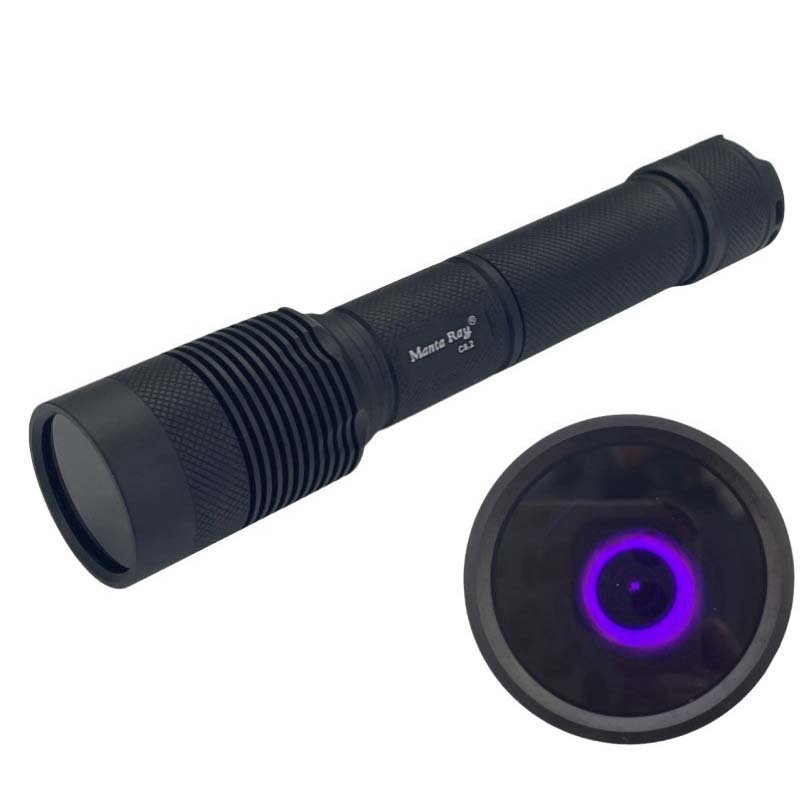
- Find a 365 nm UV flashlight (long-wave UV).
- Turn off other lights to create a dark environment.
- Place the diamond under the UV light.
- Observe if it glows blue, yellow, green, or another color.
Remember, not all diamonds fluoresce, and the absence of fluorescence does not mean a diamond is fake.
Myths About Diamonds Under UV Light
There are many misconceptions surrounding diamonds under UV light:
- Myth 1: Fluorescence means the diamond is fake.
- ❌ False. Many natural diamonds fluoresce.
- Myth 2: Fluorescence always lowers value.
- ❌ False. In some cases, it improves appearance.
- Myth 3: Fluorescence makes diamonds glow in the dark.
- ❌ False. The glow only appears under UV light.
Understanding the truth helps buyers make informed decisions.
Diamonds Under UV Light: Collectors’ and Buyers’ Perspectives
Some buyers avoid strong fluorescence due to misconceptions, while others actively seek fluorescent diamonds because:
- They enjoy the glowing effect under UV light.
- Such diamonds are often more affordable.
- Fluorescence makes the diamond unique and identifiable.
Collectors often value diamonds with unusual fluorescence colors (green, orange, white) as rarities.
Future Research on Diamonds Under UV Light
As technology improves, gemologists are exploring new ways to use diamonds under UV light:
- Forensic applications: Identifying stolen diamonds through unique fluorescence patterns.
- High-tech uses: Using diamond fluorescence in quantum optics and lasers.
- Consumer education: Helping buyers better understand fluorescence and value.
The study of diamonds under UV light is not only important for gemology but also for science and technology.
Conclusion
The phenomenon of diamonds under UV light reveals much more than just a hidden glow. Fluorescence provides insight into a diamond’s natural formation, authenticity, and even its market value. While some buyers worry about fluorescence, others appreciate its beauty and uniqueness.
Whether you are a collector, jeweler, or consumer, understanding diamonds under UV light will help you appreciate the fascinating interplay between nature, science, and beauty that defines the world’s most precious gemstone.