
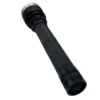
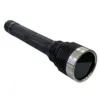
UVC Flashlight 254nm/265nm/275nm with ZWB3
Product Details
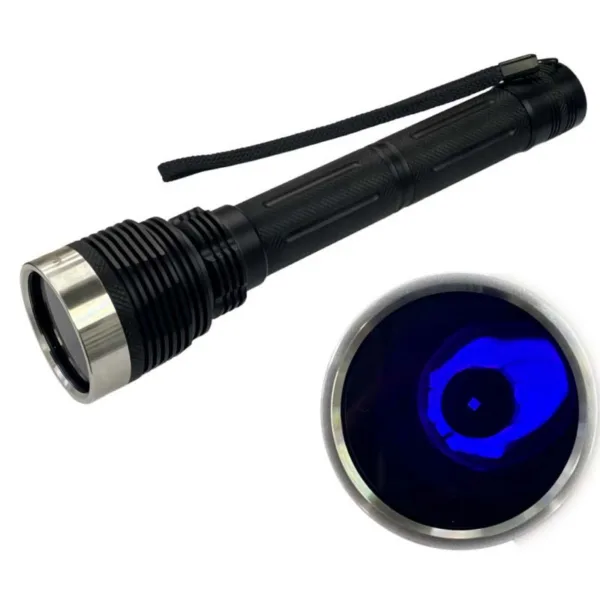
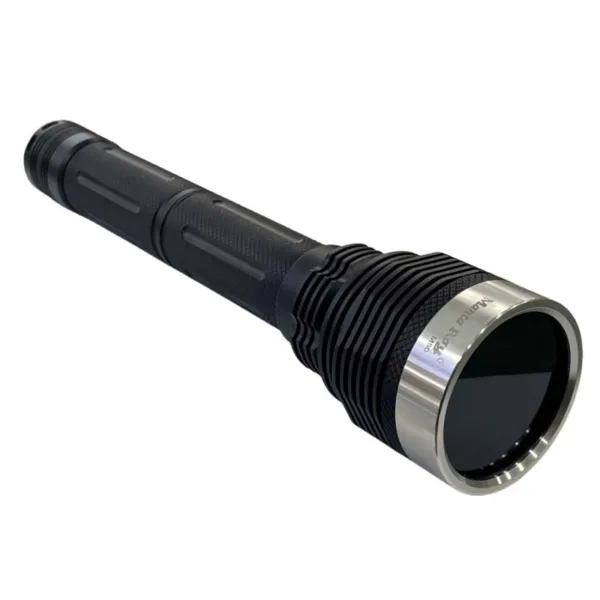
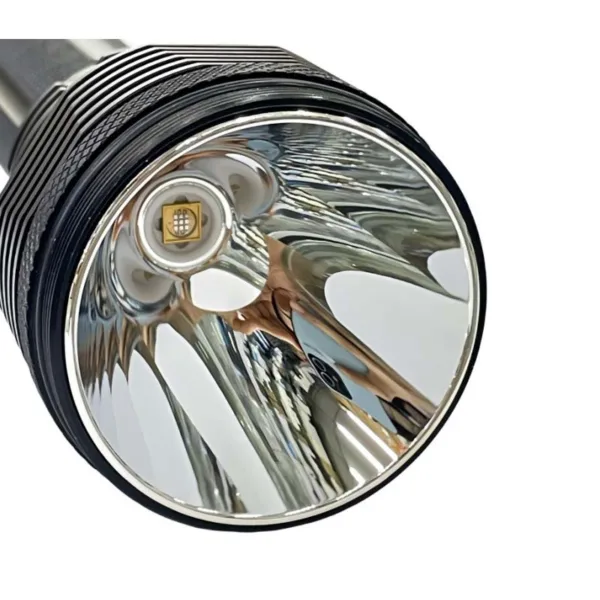
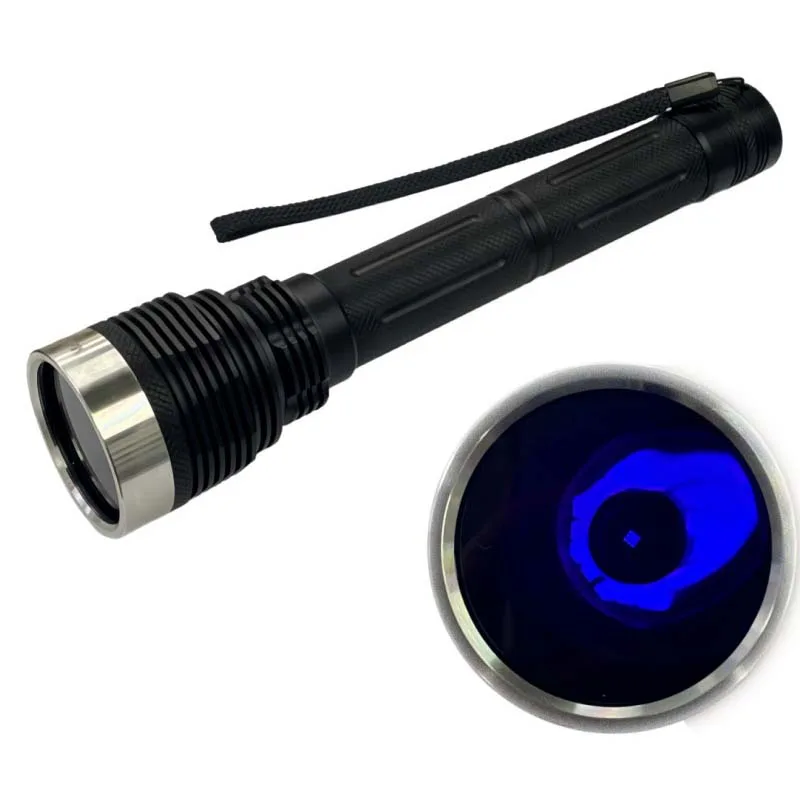
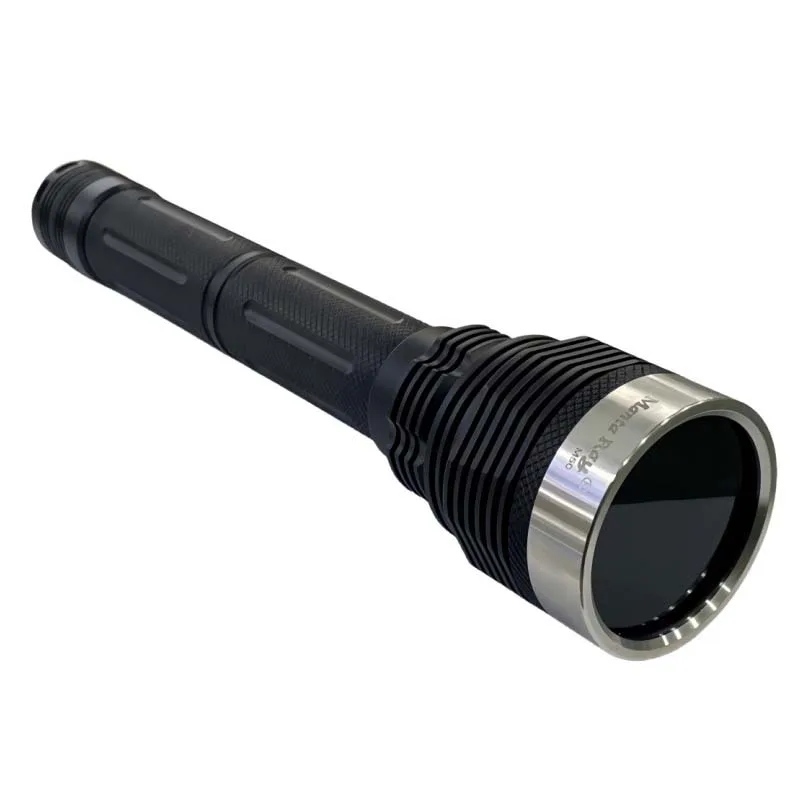
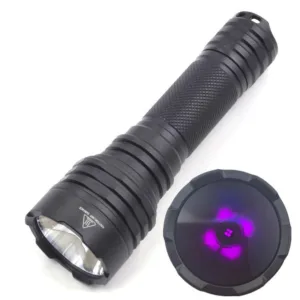
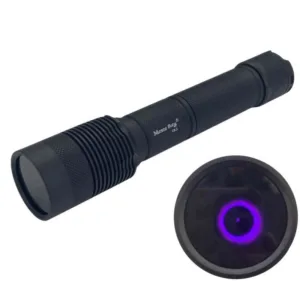
This is the Manta Ray UVC flashlight – a high-power handheld UVC light in the UVC range. The light source is a 5050 9-core 15W UVC LED with maximum radiant power of 100mW.
The wavelengths choices are 254nm, 265nm, and 275nm. Choose the optimal wavelength according to target material, fluorescence response, testing method, or protocol. This UVC flashlight works in one mode only.
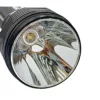
Optical performance is ensured with 45 × 40mm vacuum electroplated aluminum-alloy smooth spotlight reflector. It creates a relatively large spot at the same time maintaining the longer beam reach.
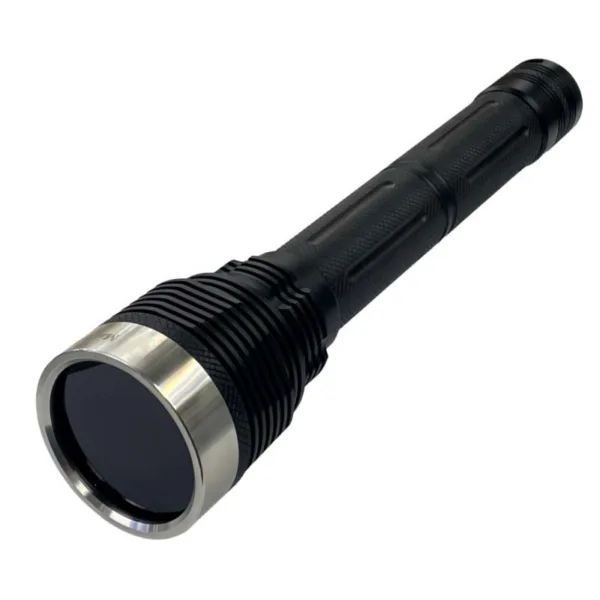
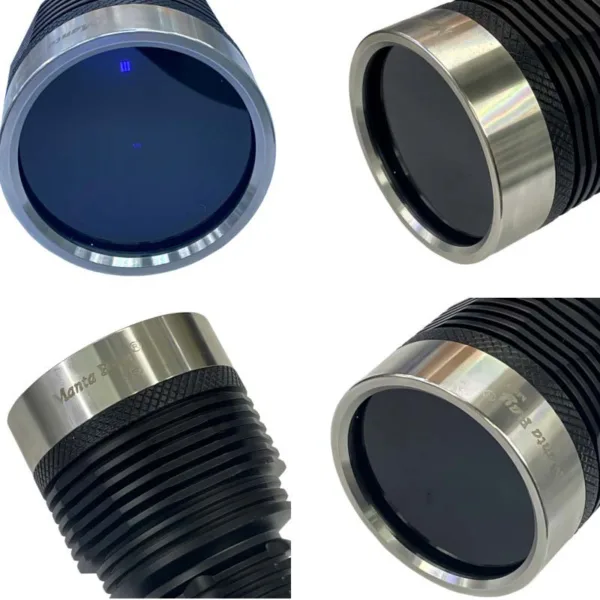
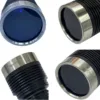
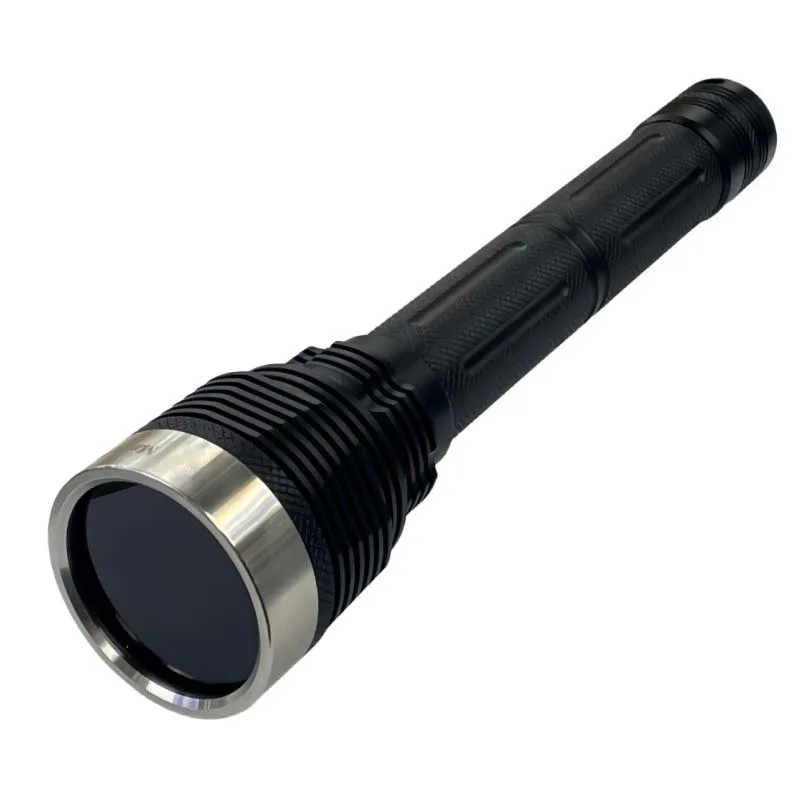
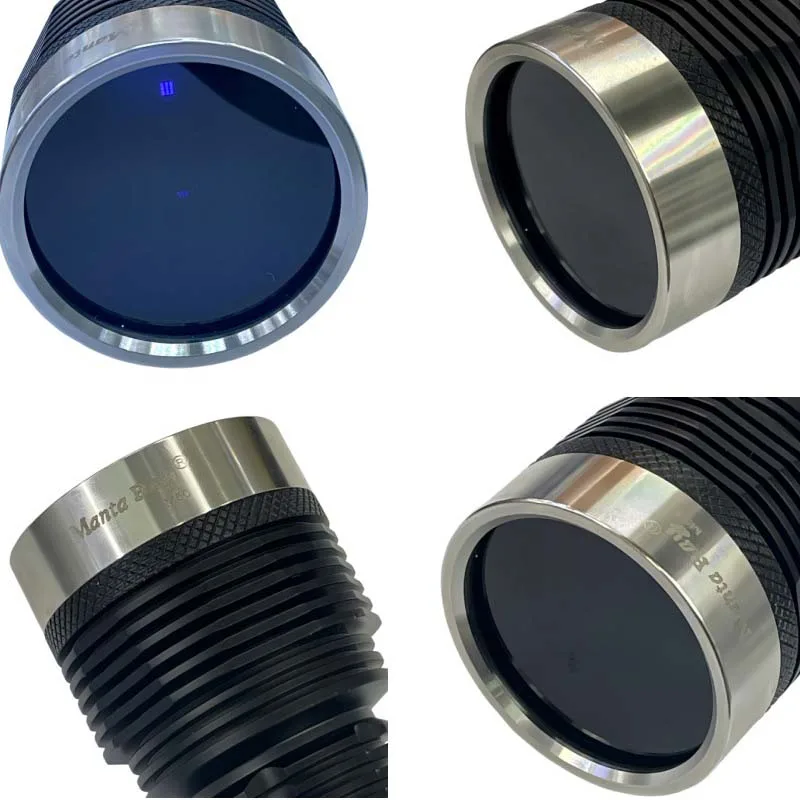
There is ZWB3 black filter glass installed at the front of the optical system. It is necessary to decrease the amount of excessive light and spectral impurities in order to get cleaner output of shortwave UV.
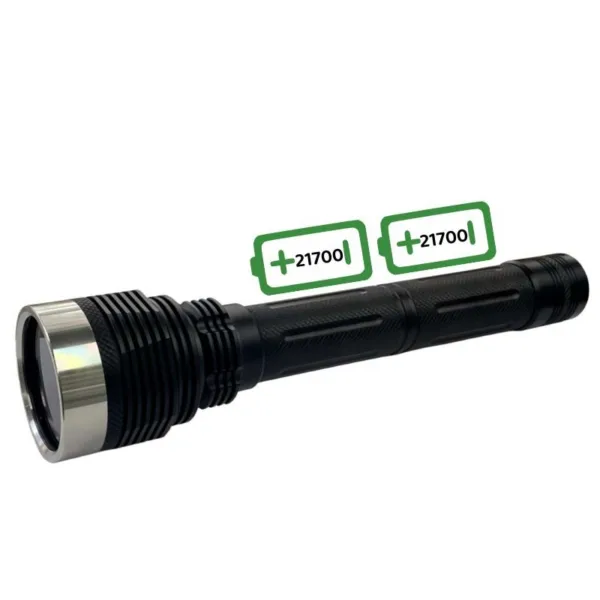
For field usage the UVC flashlight uses two 21700 batteries and has approximately four hours of runtime. Real runtime depends on battery capacity, condition, temperature, and operating environment.
Power protection system includes several features.
Low-voltage protection is set to 5.6V. Reverse connection of batteries prevents the flashlight from lighting without damaging the circuit. Restore the correct connection of batteries before using.
The temperature control point is set at 55°C. When this temperature is reached the current drops within 20 seconds to ensure temperature control.
This UVC flashlight uses the integrated compartment providing reliable thermal conductance and dissipation. End-face conductance and phosphor-bronze rear compression spring provide better electrical contacts and lower internal resistance.
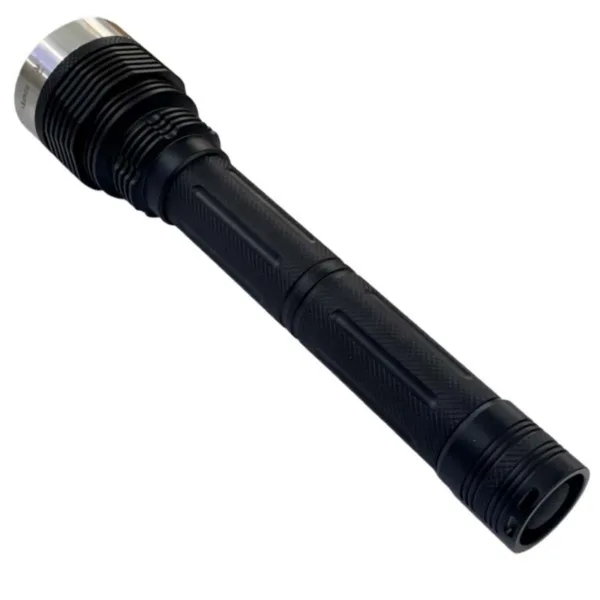
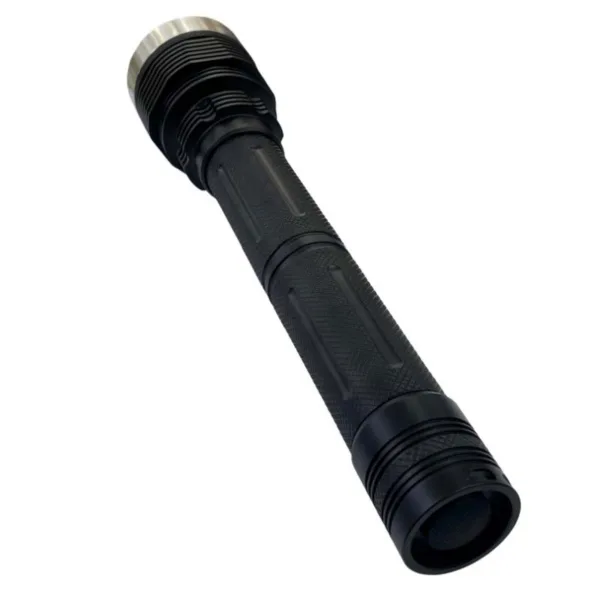
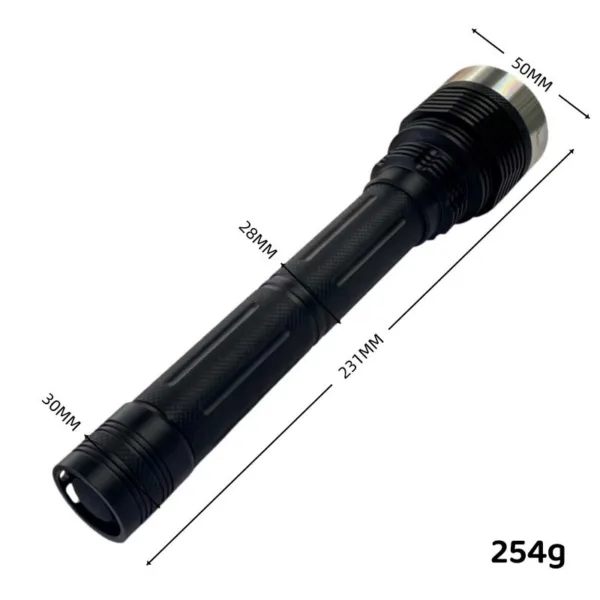
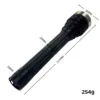
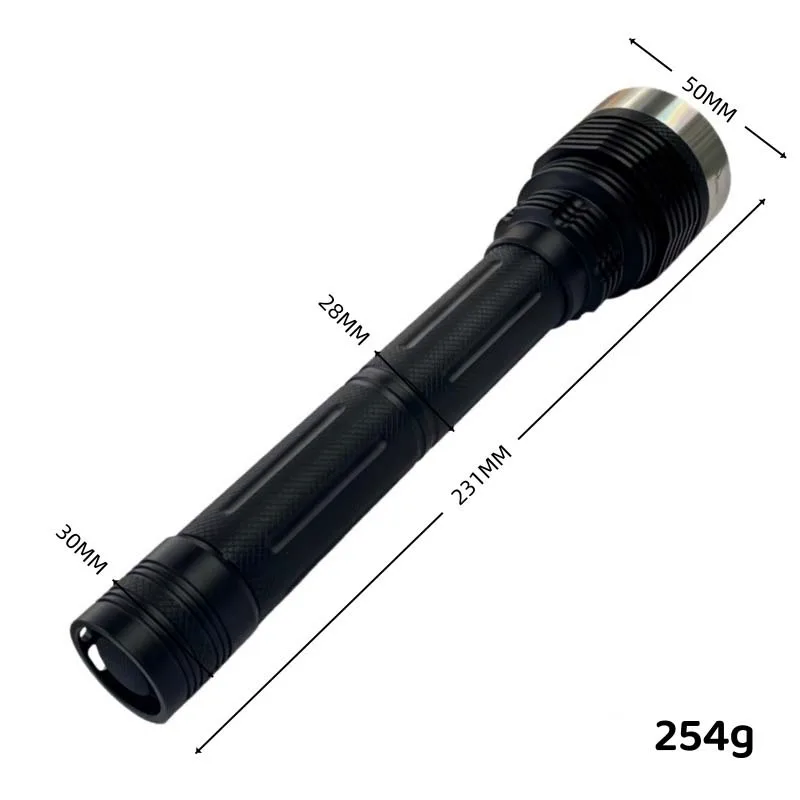
The dimensions of complete UVC flashlight are 231mm. Head diameter is 50mm, battery compartment is 28mm, and tail diameter is 30mm.
The net weight is 254g making the unit ideal for handheld field inspection, fluorescence observation, laboratory work and other shortwave UV tasks.
Specifications
| SpecificationDetails | |
|---|---|
| Brand | Manta Ray |
| Light Source | 5050 9-core 15W high-power UVC LED |
| Power | 15W |
| Radiant Power | Max. 100mW |
| Wavelength | 254nm / 265nm / 275nm |
| Input Voltage | 6V-12V |
| Mode | 1 Mode |
| Reflector | 45 × 40mm vacuum electroplated aluminum-alloy smooth spotlight reflector |
| Optical Glass | ZWB3 black filter glass |
| Battery | 2 × 21700 |
| Runtime | About 4 hours |
| Low-Voltage Protection | 5.6V |
| Temperature Control | 55°C |
| Length | 231mm |
| Head Diameter | 50mm |
| Battery Compartment | 28mm |
| Tail Diameter | 30mm |
| Net Weight | 254g |
UVC Flashlight Applications
Fluorescent Mineral and Rock Observation
This shortwave UVC flashlight can serve to excite fluorescence in minerals and rocks reacting to shortwave ultraviolet radiation.
The 254nm wavelength is most popular for shortwave fluorescence observation in minerals and rocks. Different specimens may react to shortwave UV radiation differently depending on composition and wavelength.
For the best visualization perform the fluorescence observation in the dark environment.
Forensic and Trace Inspection
This UVC flashlight can serve as a source of controlled ultraviolet radiation for forensic, trace and laboratory inspection when the specified shortwave wavelength is required.
The fluorescence reaction may depend on target material and testing method.
Laboratory and Research Work
These 254nm, 265nm, and 275nm wavelengths can be used in laboratory observation, testing and UVC-related research.
Choose the needed wavelength according to test protocol and target material.
UV-Sensitive Material Inspection
This UVC flashlight can be used to inspect coatings, markings, phosphors, samples and other materials responding to shortwave ultraviolet radiation.
Lowering the ambient visible light level can help to reveal weak fluorescence.
Controlled UVC Treatment Research
UVC wavelengths can also be researched in germicidal and ultraviolet treatment applications.
But the effectiveness of treatment depends on wavelength, irradiance, distance, exposure time, surface condition, shadowing and the total delivered dose of UV.
Do not state fixed disinfection rate unless the full application and treatment protocol were tested and validated.
Important Safety and Use Precautions
Shortwave UVC radiation can damage the eyes and skin.
Never look directly into the LED or UVC beam, even briefly.
Do not direct the UVC flashlight onto people or animals.
Wear appropriate UVC-rated protective goggles and protective clothing whenever there is a chance of exposure.
Keep people away from the workplace. Be cautious with shiny or reflective surfaces as reflected UVC radiation can cause unexpected exposure.
Use the flashlight only in controlled workplace. Do not use this flashlight as a regular illumination flashlight.
Do not let children or inexperienced users operate the unit.
Install the batteries in the right order. Reverse connection protection prevents the flashlight from working if the batteries are installed backwards. Install the batteries again correctly.
The UVC flashlight body can heat up during long period of operation. Temperature control system reduces the current when the temperature reaches 55°C but cooling surfaces must remain unblocked.
For germicidal or disinfection testing confirm the required dose of UVC with the appropriate measuring equipment and validation of the protocol. Distance, exposure time, beam distribution, surface condition and shadowing may strongly influence on delivered dose of UV.
FAQ
What is a UVC flashlight?
The UVC flashlight is the handheld ultraviolet light source working in the UVC wavelength range. This Manta Ray model offers 254nm, 265nm, and 275nm wavelengths and uses a 15W high-power UVC LED.
What is the difference between 254nm, 265nm, and 275nm?
All these wavelengths are in the UVC range, but materials and biological targets can respond differently to different wavelengths.
The appropriate wavelength should be chosen according to target material, fluorescence reaction, testing method or protocol.
Does this UVC flashlight use a ZWB3 filter?
Yes.
This flashlight uses ZWB3 black filter glass to minimize excessive light and spectral impurities. It helps to get a clean output of shortwave UV for fluorescence observation and inspection.
How much radiant power does it produce?
The maximum radiant power is 100mW.
Radiant power characterizes the UV optical output and should not be confused with 15W electrical power rating of the LED system.
How long can the UVC flashlight operate?
This UVC flashlight uses two 21700 batteries and provides approximately four hours of runtime.
Real runtime depends on battery capacity, condition, temperature and other working conditions.
Does it have temperature protection?
Yes.
The temperature control setting is 55°C. When the temperature reaches this level the current drops within 20 seconds to control the temperature.
Does it have low-voltage protection?
Yes.
The low-voltage protection is set to 5.6V in order to protect the power system during battery operation.
What happens if the batteries are installed backwards?
This flashlight has reverse connection protection.
When the batteries are installed backwards the light will not work, but reverse connection protection prevents the circuit from burning. Correctly install the batteries before using.
Can I use this UVC flashlight for fluorescent minerals?
Yes, it can be used for controlled shortwave UV fluorescence observation.
Different minerals and specimens can react differently to 254nm, 265nm and 275nm wavelengths. The testing of appropriate wavelength can help to find the best fluorescence reaction.
Can this UVC flashlight disinfect surfaces?
UVC radiation can be used in germicidal applications but the flashlight alone does not guarantee a specific disinfection result.
Effective treatment depends on the delivered dose of UV, wavelength, distance, exposure time, target microorganism, surface condition and shadowing.
Validated protocol and suitable UVC measurement equipment should be used for verification of disinfection performance.
Is UVC safe for eyes?
No.
Never look directly at the UVC source or beam. Proper UVC-rated eye protection should be worn whenever accidental exposure may occur.
What batteries does the flashlight use?
It uses two 21700 batteries.
Also it has 5.6V low-voltage protection and reverse connection protection.


Reviews
There are no reviews yet.